

Isuzu D-Max Launch (2018)

Over the past 40 years of local production spanning six generations, the Isuzu bakkie has been a key player in creating and fostering South Africa’s love affair with the versatile bakkie – both as a workhorse and, increasingly, as an all-encompassing everyday leisure and lifestyle vehicle.
Now known as the Isuzu D-MAX, in line with international markets, the Isuzu bakkie range spans an extensive portfolio comprising of 30 models for South Africa and 13 models for export markets, with the top-spec derivatives gaining a more luxurious execution that reflects the more sophisticated requirements of top-end buyers in this segment.
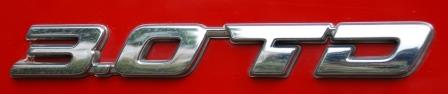
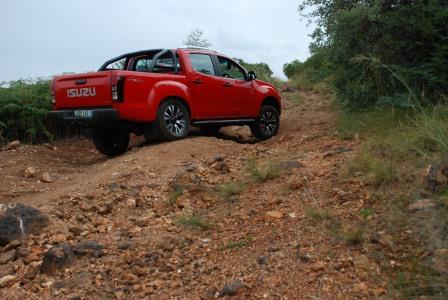
During the recent media launch in Mpumalanga I had the opportunity to put the new 3.0TD LX double-cab through its paces on a variety of roads, ranging from tar roads, to driving on forestry roads and activating 4×4 on the last day through the Kruger National Park.
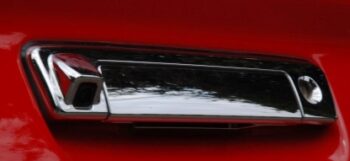
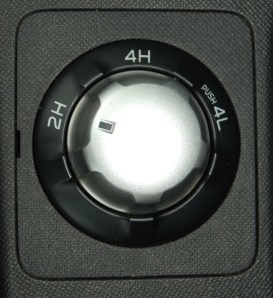
The driving experience was pure pleasure and being able to swift between 2WD High, 4WD High and 4WD Low through the shift on the fly system makes the transition from tar onto gravel roads easy without you as driver loosing time by stopping to select a driving mode. The cab also features less road and wind noise and having luxuries such as cruise control and a reverse camera makes driving a pleasure.
One of the most significant new features of the 2018 Isuzu D-MAX range is the introduction of an all-new six-speed gearbox on the high-spec 3.0-Litre LX derivatives, replacing the five-speed versions used on the outgoing models.
The six-speed manual benefits from optimised gear ratios and an improved shift action, and makes the most of the strong torque delivery and superb fuel economy of Isuzu’s dependable 3.0-Litre four-cylinder intercooled turbodiesel engine, which produces 130 kW of power and 380 Nm of torque.
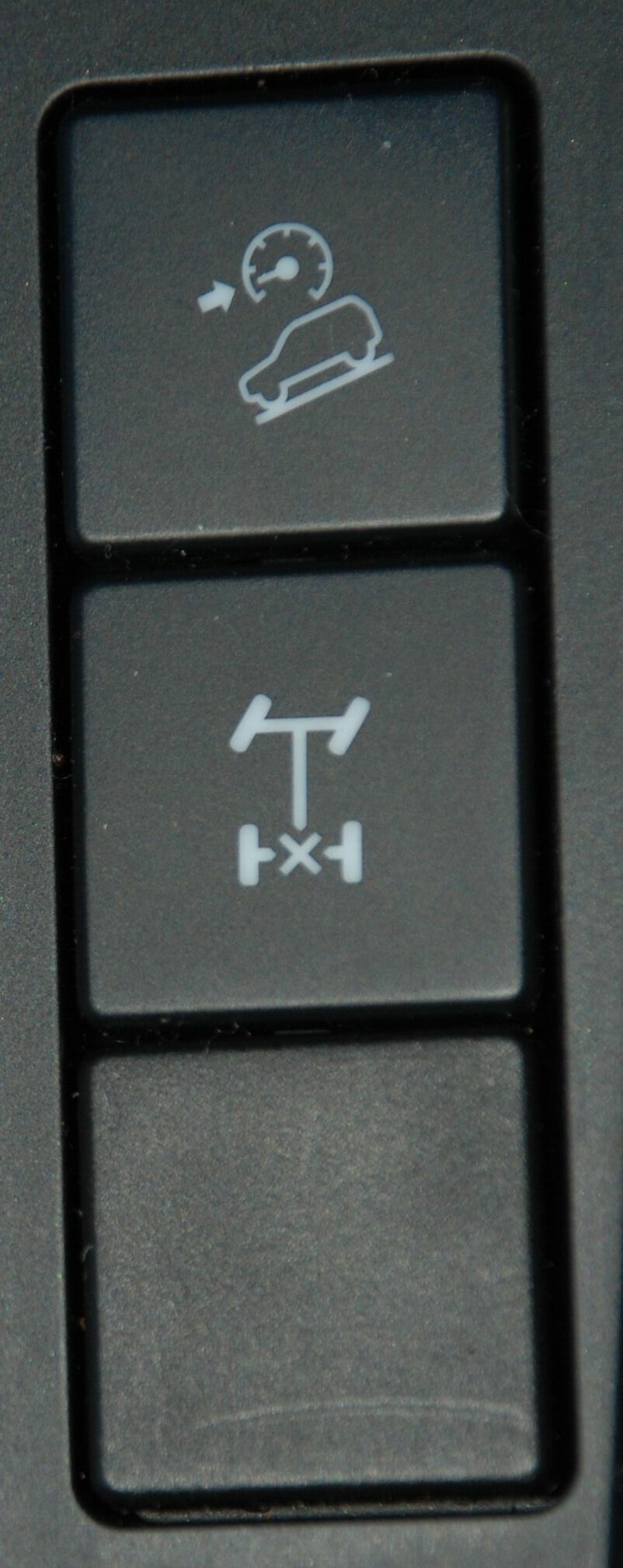
The D-MAX also offers the same six-speed automatic transmission that recently debuted in the Isuzu mu-X SUV and it incorporates a sequential sport mode that enables the driver to select a specific gear manually, which is helpful when towing as the engine speed can be maintained in the ideal torque range for maximum pulling power and it’s also ideally suited to off-road driving, allowing the driver to engage the appropriate gear ratio for the specific terrain. Combined with Hill Descent Control (HDC), manually selecting the lowest gear on downhills ensures optimal control of the vehicle as it maintains the vehicle at the set speed on steep descents.
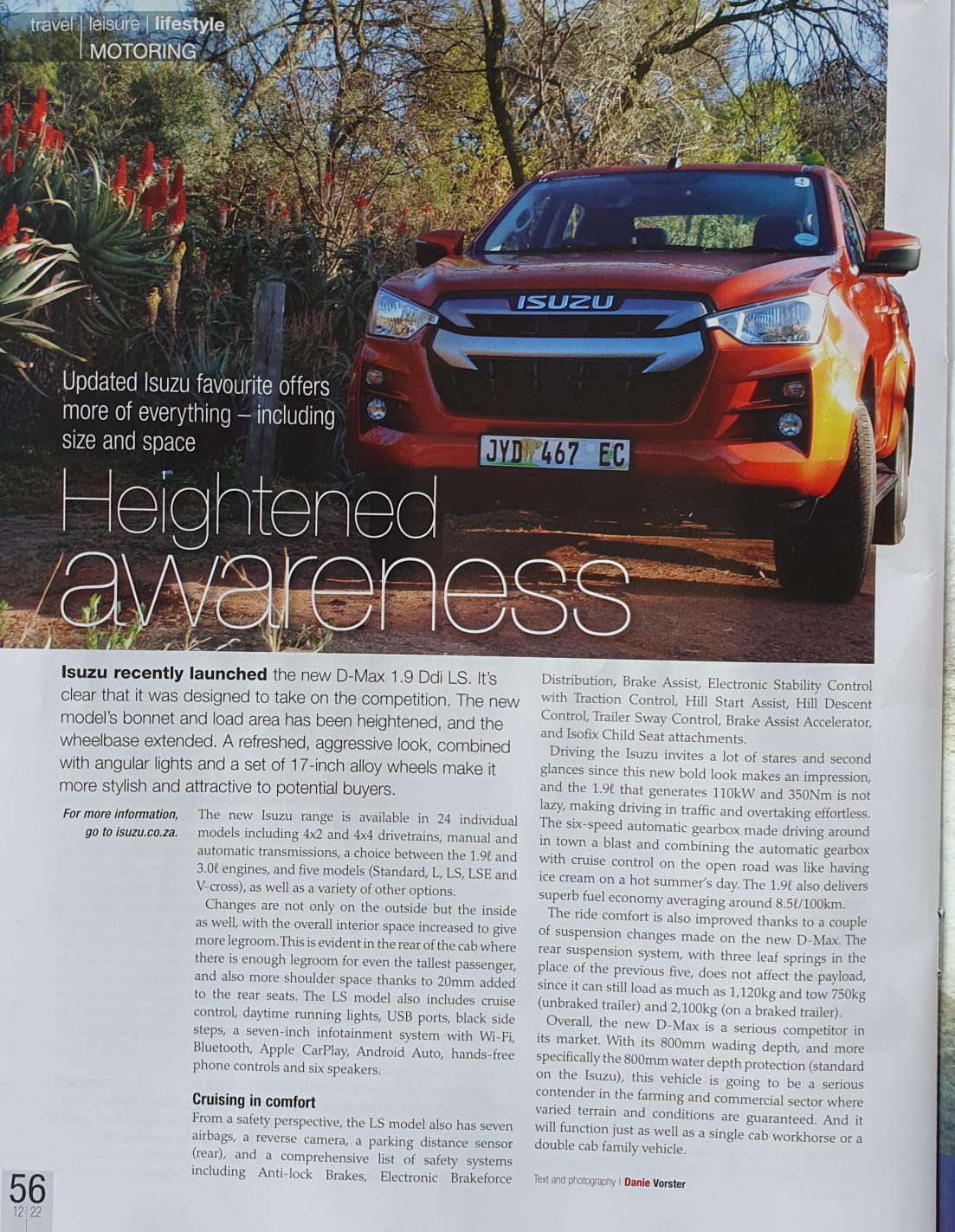
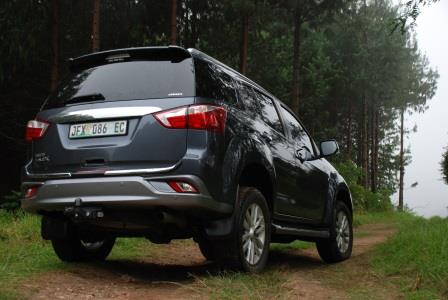
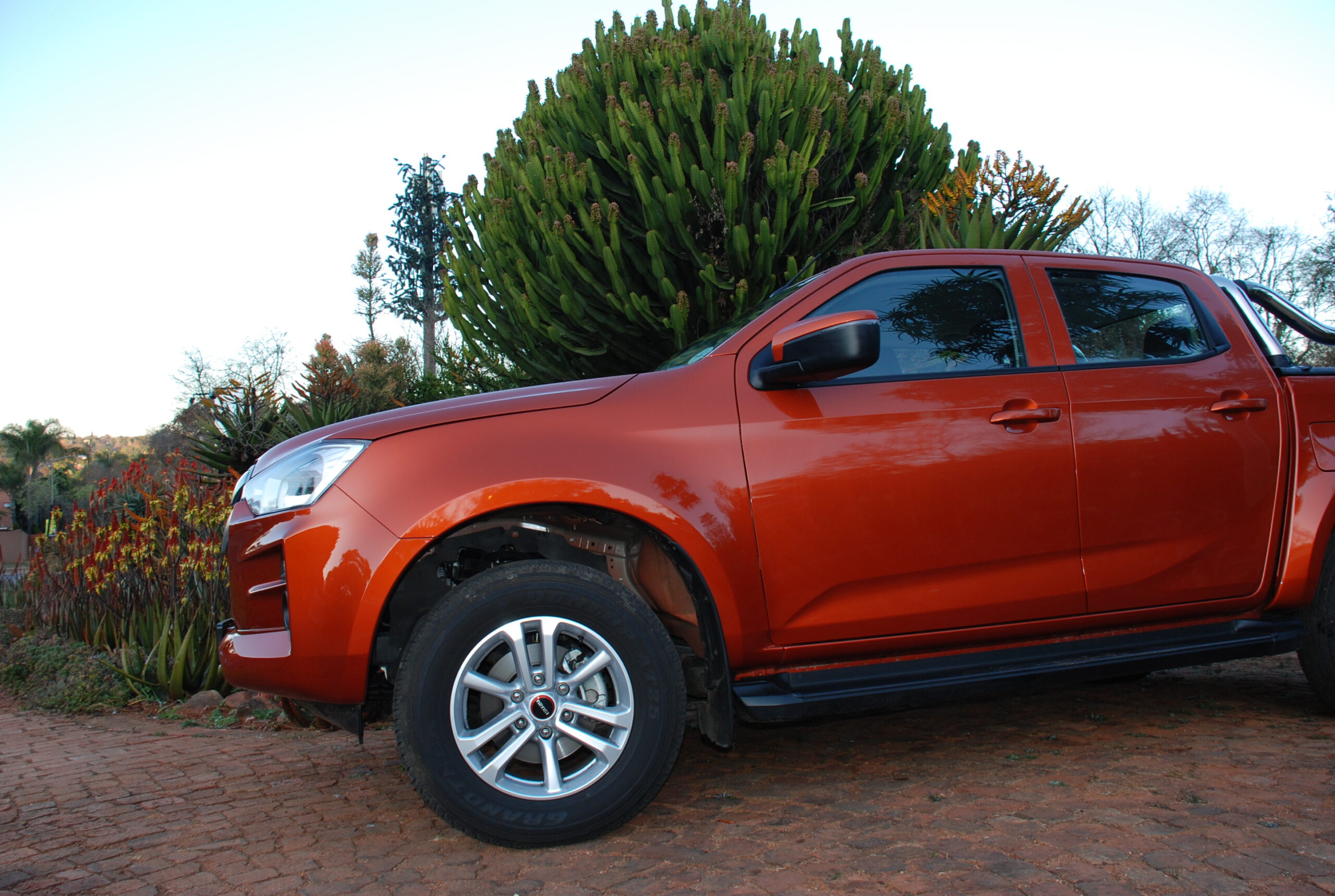
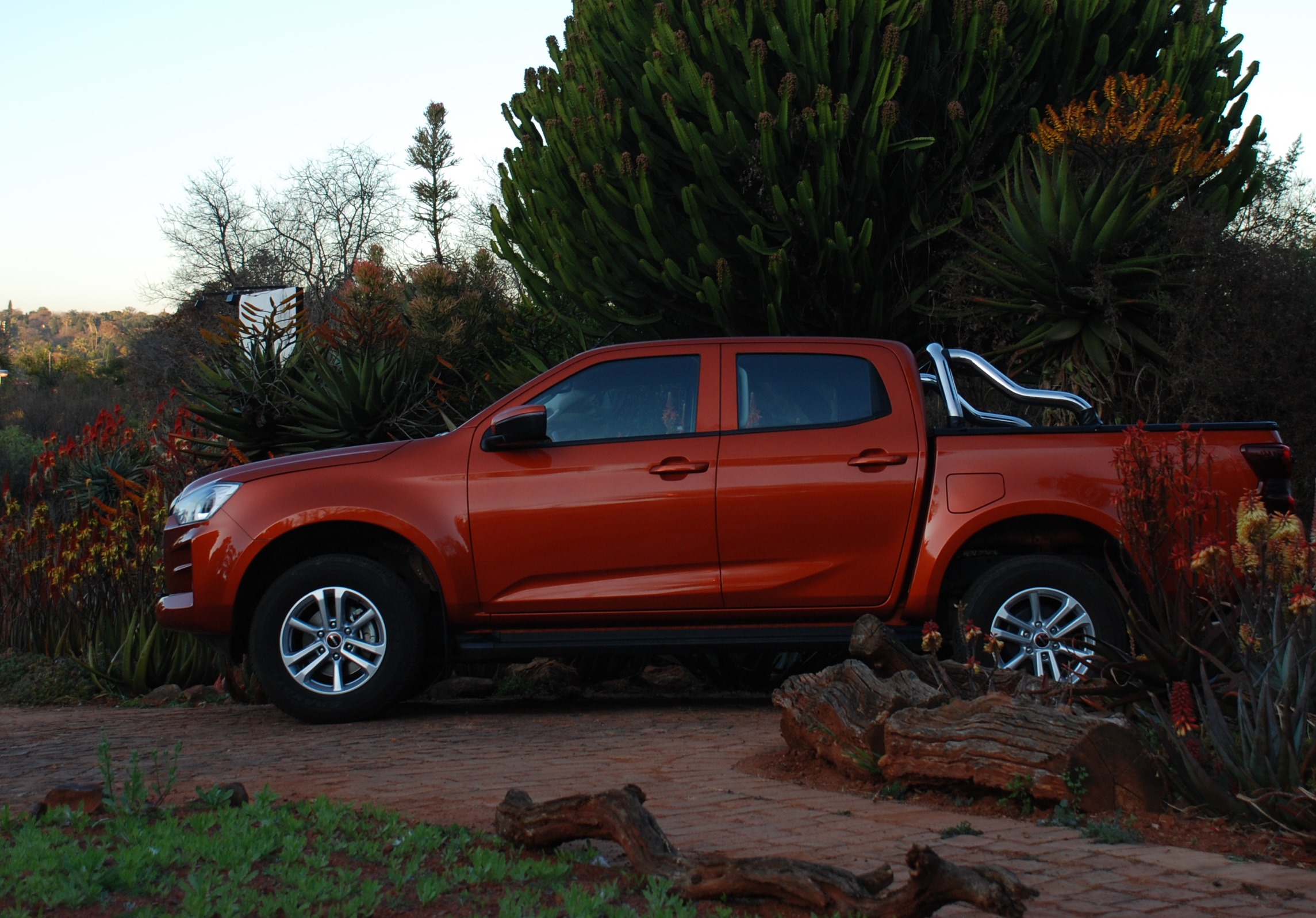
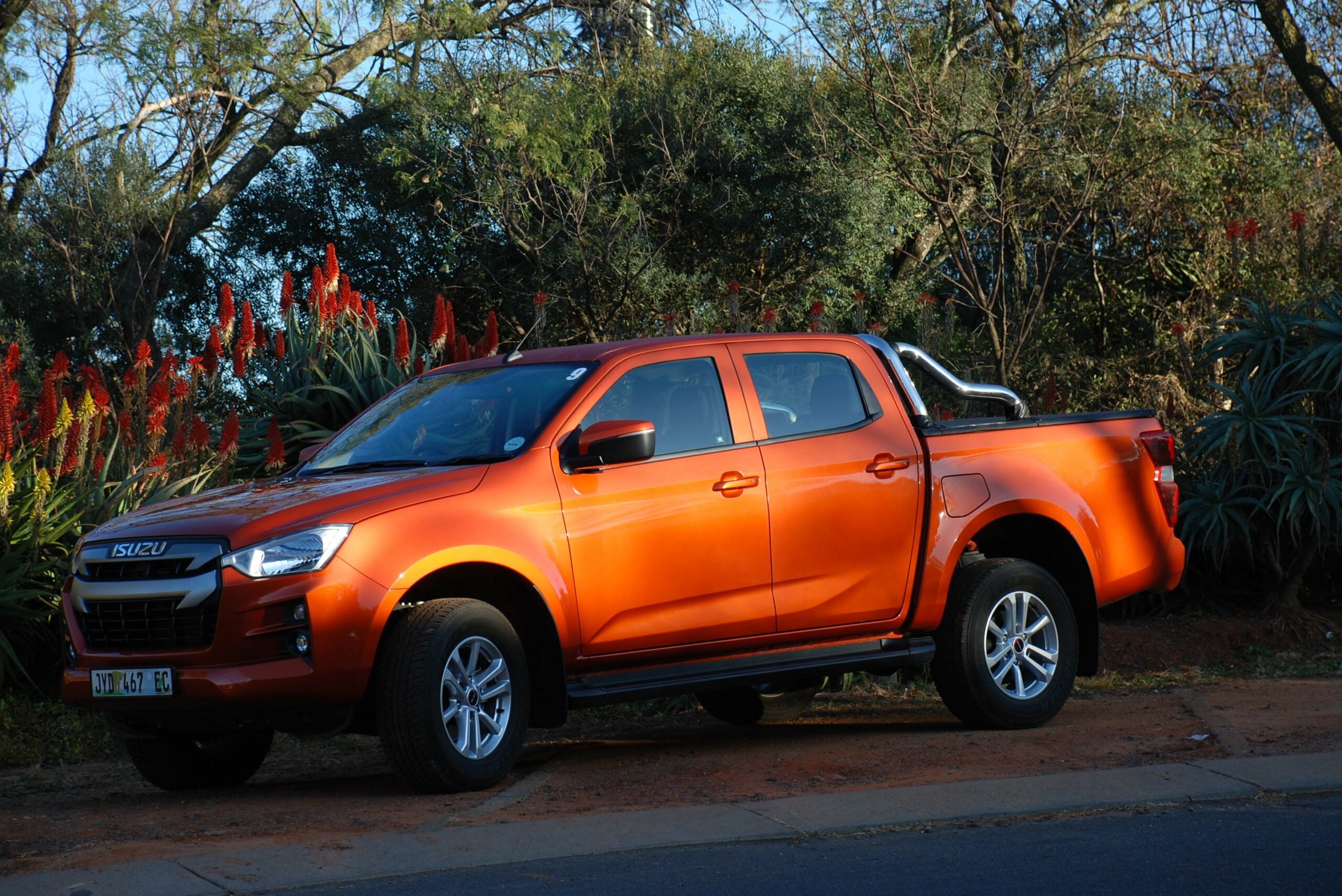
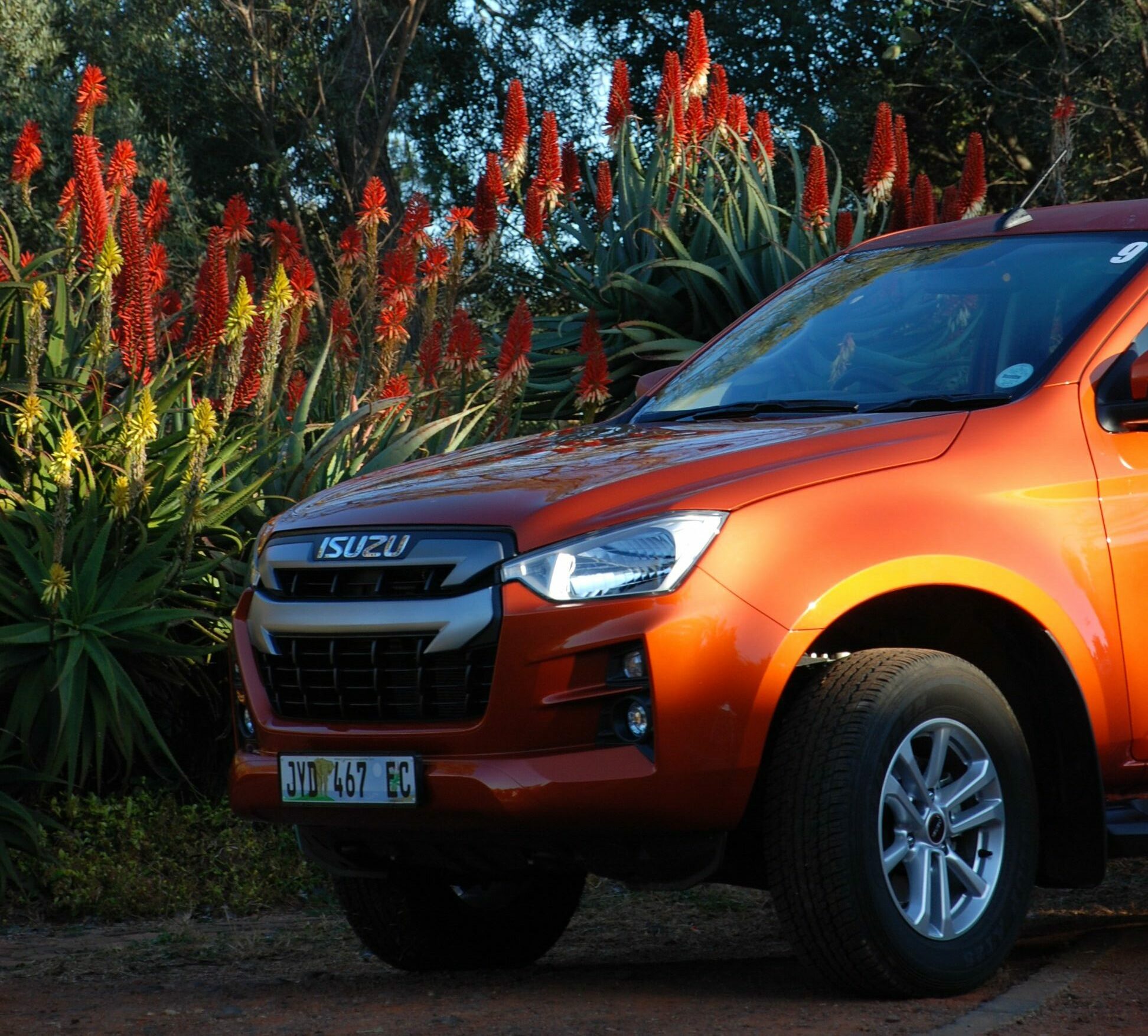
The exterior and interior have been revamped and the new features include a muscular new chromed radiator grille that dominates the front facia, along with new tapered chromed accents extending across the full length of the sleeker L-shaped headlight clusters.
In combination with the new projector-type Bi-LED headlamps and LED daytime running lights introduced on the extended and double cab models, there are restyled fog lamp bezels framed by chromed vertical accents that give the LX a distinctive and aggressive character.
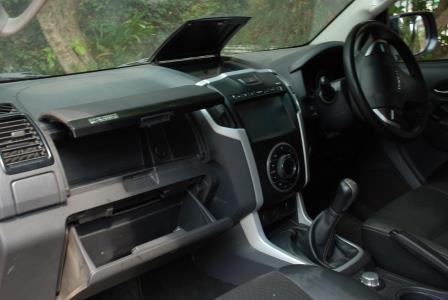
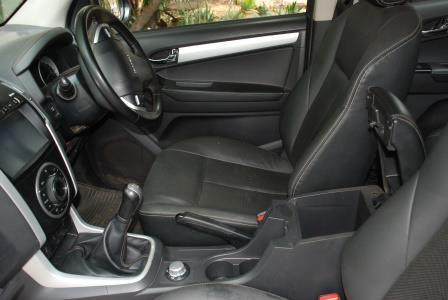
It is not only on the outside where changes was made, but the interior have a more upmarket look and feel of the LX models becomes immediately apparent, courtesy of the new soft-touch panels which is complemented by a new, more attractive high-quality grain for the dashboard and door trims.
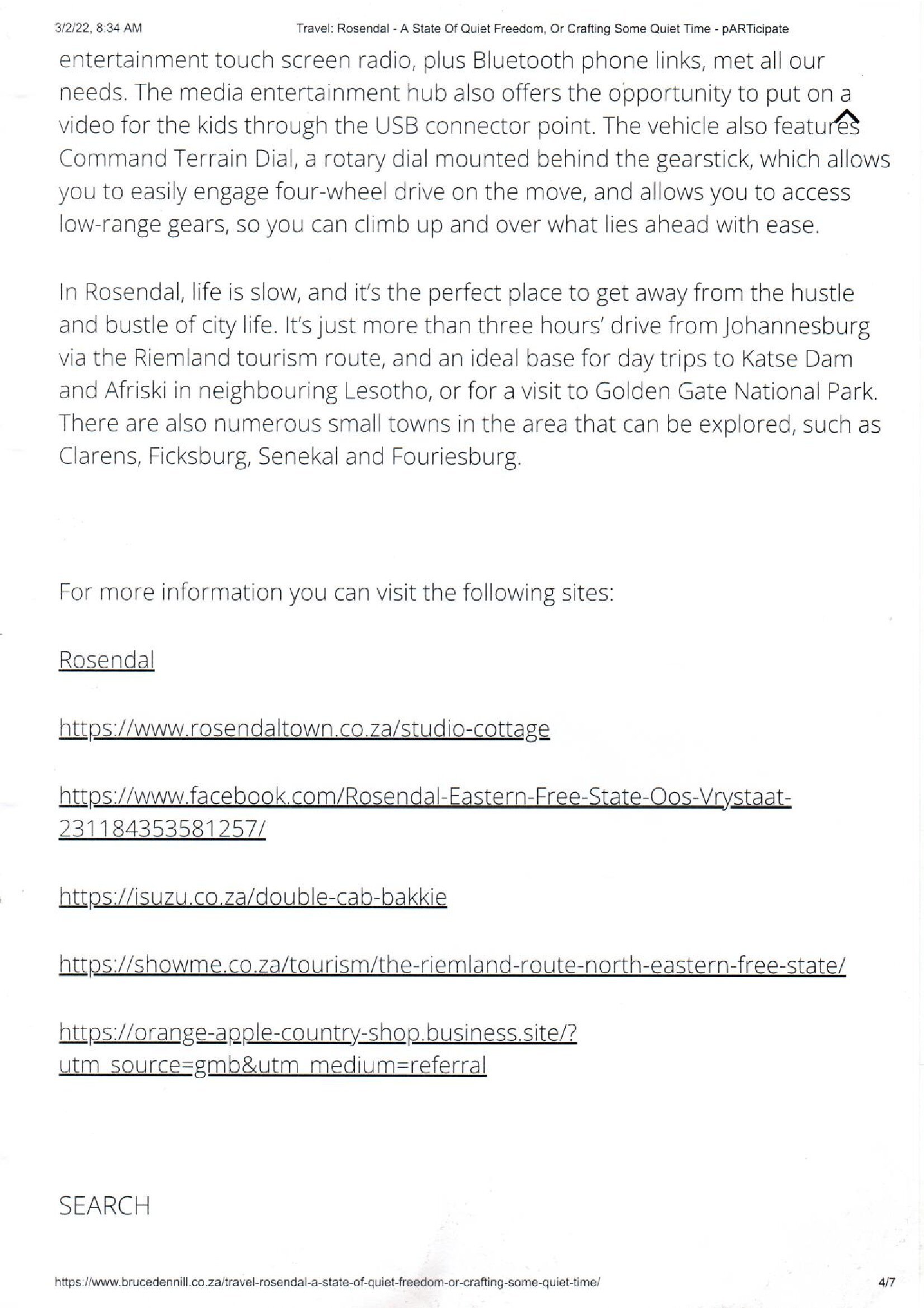
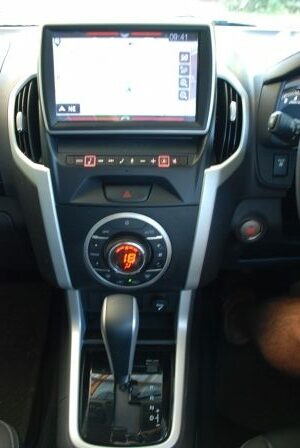
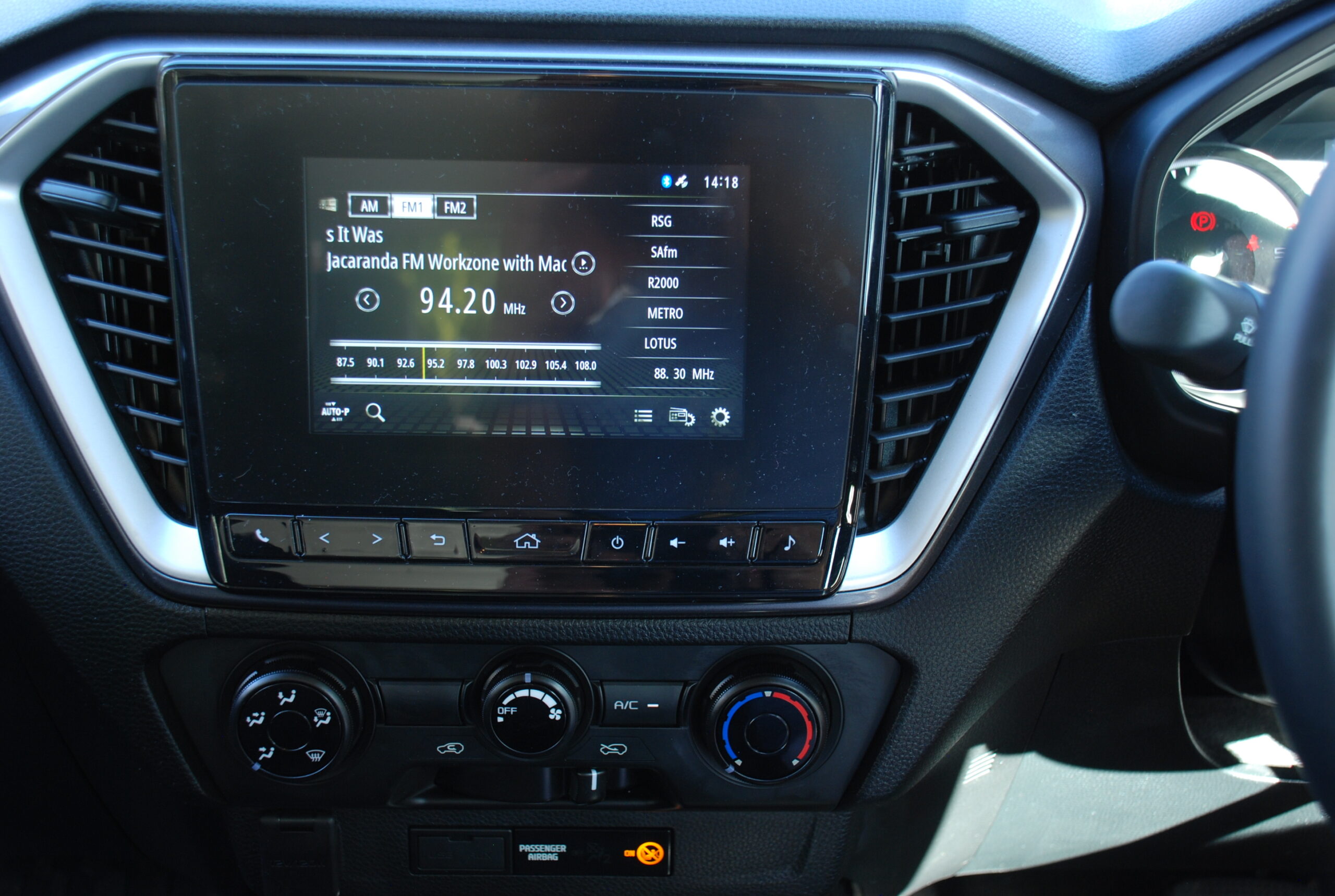
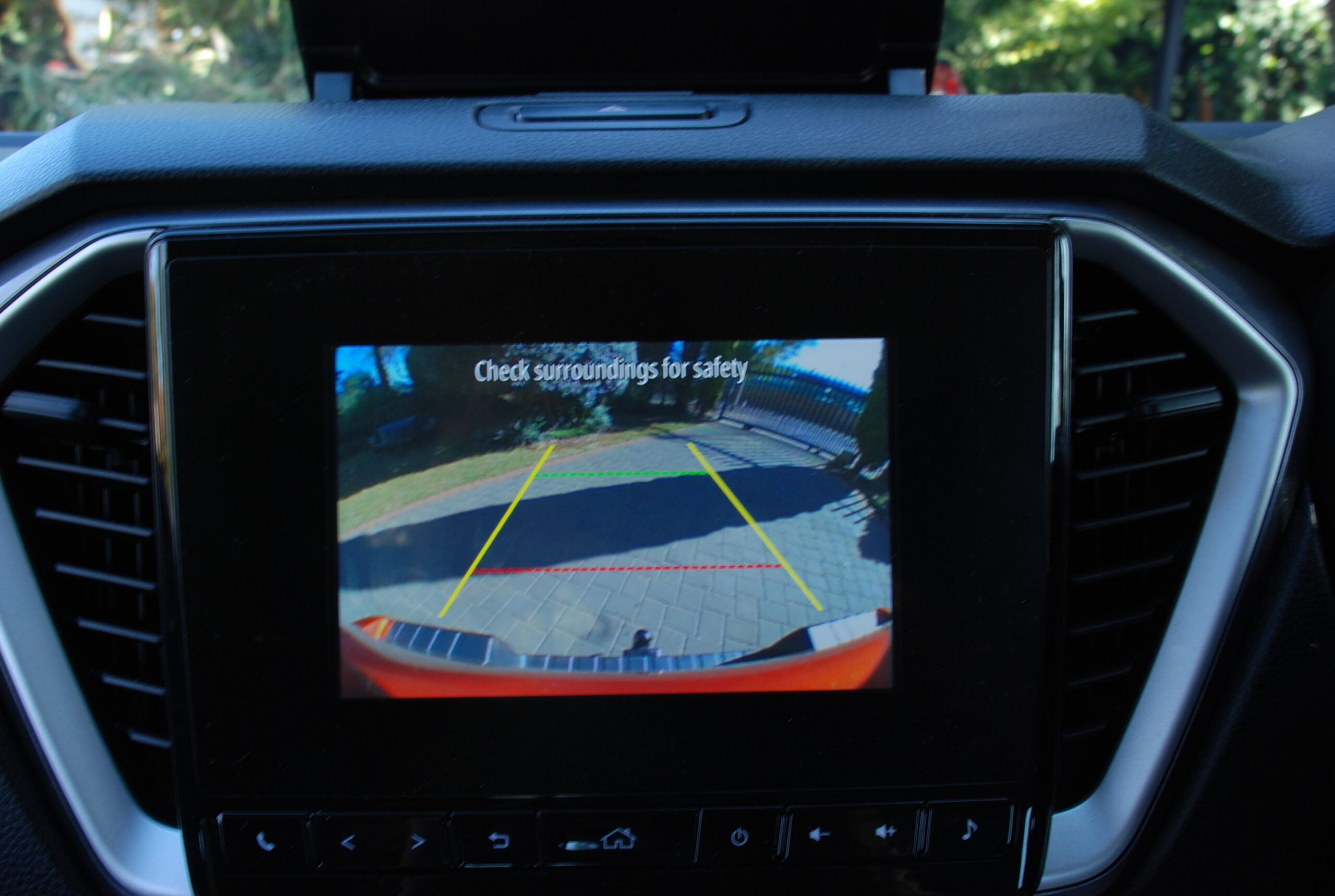
Other benefits include the fitment of the latest-generation infotainment system, incorporating an eight-inch full colour touch screen that replaces the 6.5-inch version used in the previous model. The fully featured system incorporates the display for the rear-view camera, and facilitates Bluetooth hands-free cell phone use and audio streaming.
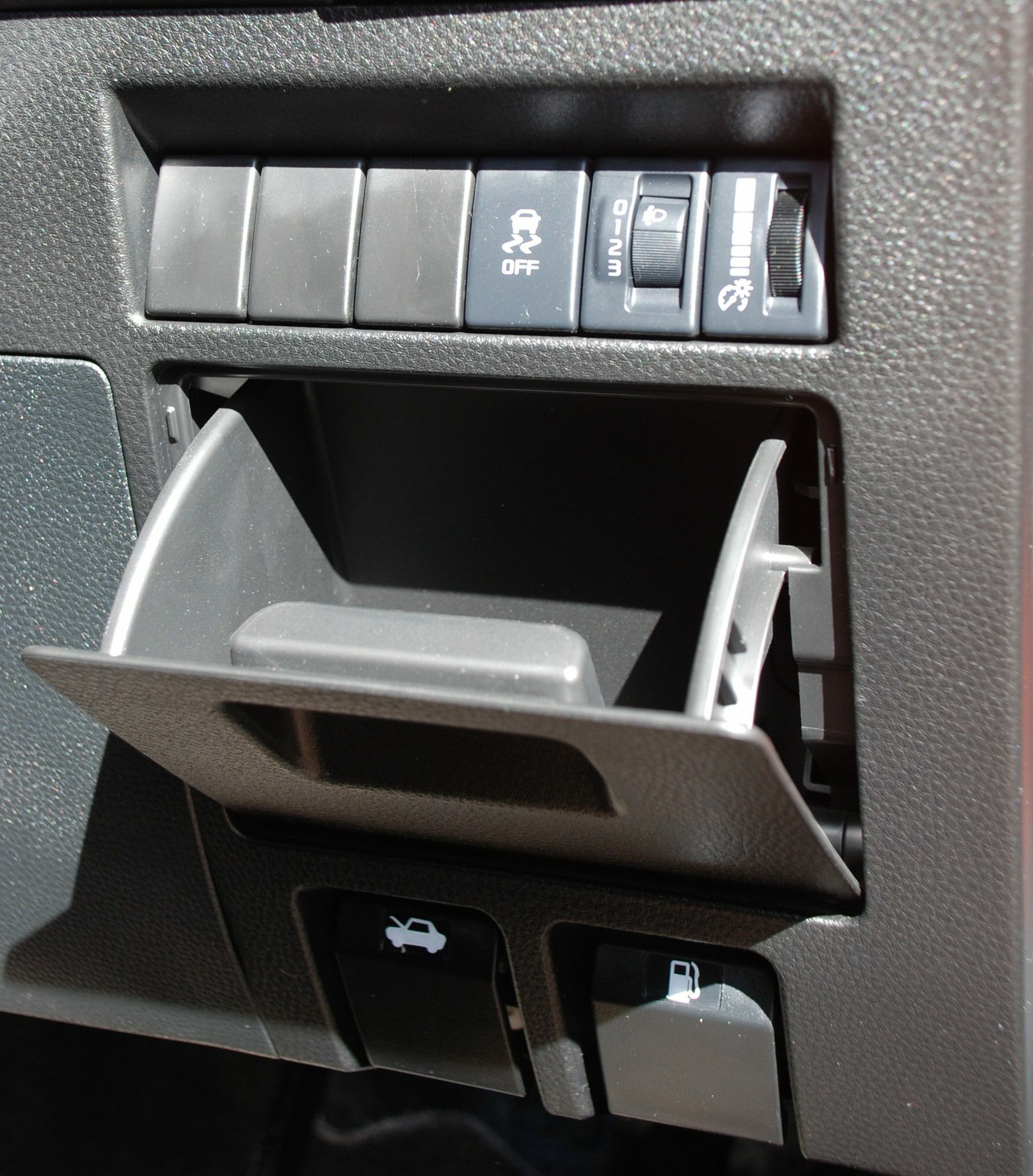
Vehicle Safety have been improved and the ABS brakes on all D-MAX LX models are now equipped with Isuzu’s Brake Override System (BOS). The system restricts accelerator input if the brake pedal is applied simultaneously, thereby reducing stopping distances in an emergency. Other safety features include Electronic Stability Control (ESC) with Traction Control and the addition of Trailer Sway Control (TSC) that detects and minimises the effect of a trailer or caravan beginning to sway from side-to-side. The Hi-Rider and LE models can be equipped with an optional tow bar package rated to tow a braked trailer up to a maximum load of 2.1 tons, while the standard heavy-duty unit on the 3.0-Litre 4X4 LX derivatives comes standard and is capable of hauling 3.5 tons.
As before, Electronic Stability Control (ESC), Hill Start Assist (HSA) and Hill Descent Control (HDC) are included to assist the driver in all types of driving situations. These active safety features are available as a standard feature from the Fleetside Safety to the LX trim.
The Isuzu one-ton bakkie range has been revised and a total of 16 single cab derivatives are available, including the addition of the new Dropside Base models which can be specified with either a factory-fitted flat load deck or in Dropside configuration. These models can be ordered in 2.5-Litre LEED Base or Fleetside specification, powered by the trusty 2.5-Litre turbodiesel engine that produces 58 kW and 176 Nm. There is also the high-spec 2.5-Litre HO Fleetside Safety model that employs the high-output common rail turbodiesel engine with 100 kW and 320 Nm on tap.
The practical extended cab models include the 2.5-Litre Hi-Rider, two 3.0 LX models with a choice of six-speed manual or automatic gearboxes, as well as a 3.0-Litre 4X4 LX manual.
A new 2.5-Litre HO Base model joins the popular double cab range as an entry-level proposition that is perfectly suited to hard-working commercial applications. It is complemented by the existing Hi-Rider and striking X-Rider models in 4X2 or 4X4, as well as the LE version that offers exceptional value for money.
Topping the D-MAX line-up is the updated, more capable and more luxurious 3.0-Litre LX, available in 4X2 or 4X4, and the choice of the all-new six-speed manual or automatic transmission.
Isuzu Complete Care comes standard and all Isuzu D-MAX models are sold with a comprehensive five-year/120 000 km warranty and roadside assistance, as well as a five-year unlimited distance anti-corrosion warranty.
In addition, a five-year/90 000 km service plan is included in the purchase price, with service intervals scheduled every 15 000 km or annually, whichever comes first.
Through Isuzu Mobility, customers have the option of extending the standard service plan up to a maximum of six years or 200 000 km. Alternatively, the service plan can be upgraded to a full maintenance plan that covers the vehicle for planned and unplanned maintenance up to six years/200 000 km.
Isuzu owners are now able to customize their bakkies – incorporating the outgoing KB range as well as the new D-MAX line-up – and the recently launched mu-X seven-seater SUV with an extensive range of manufacturer-approved accessories thanks to an innovative partnership with leading 4×4 equipment retailer, 4×4 Mega World.
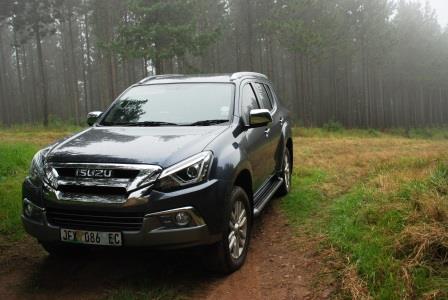
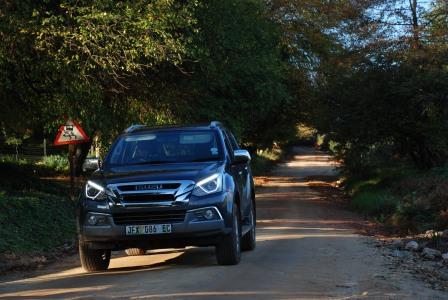

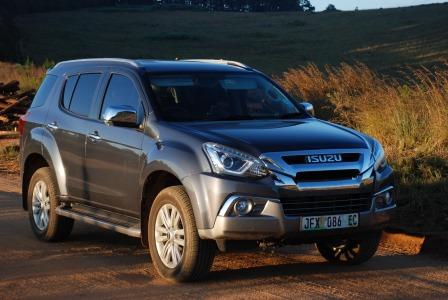
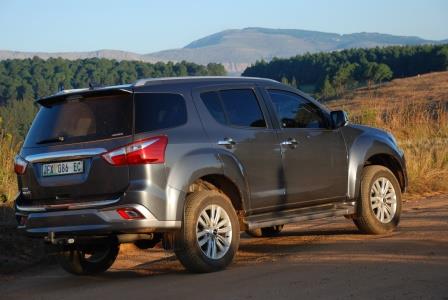
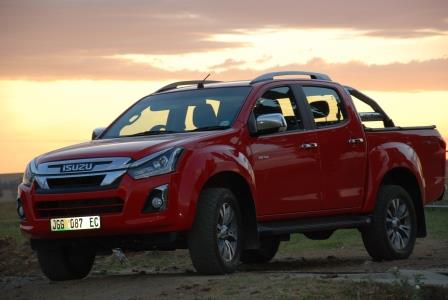
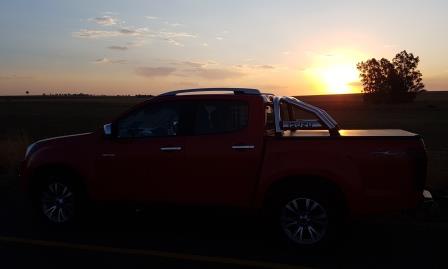
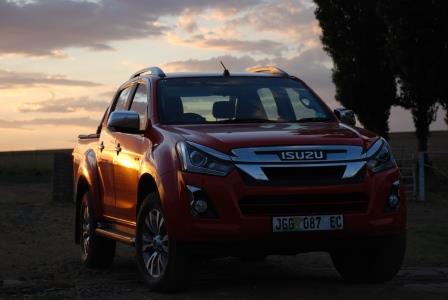
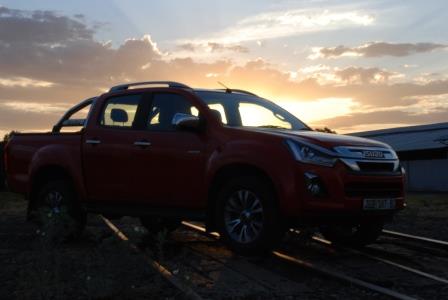
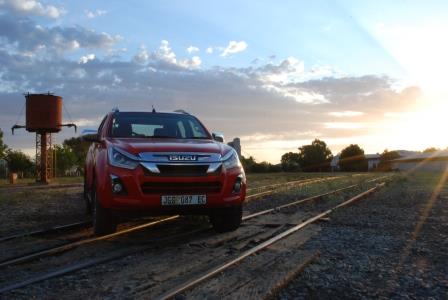
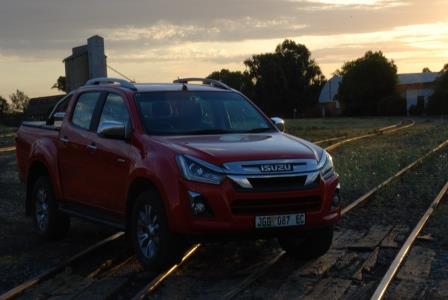
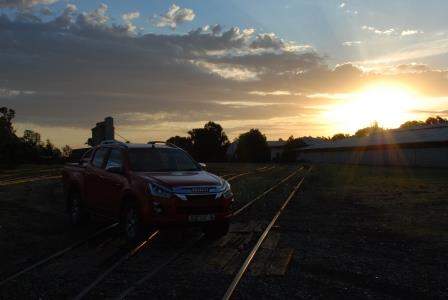
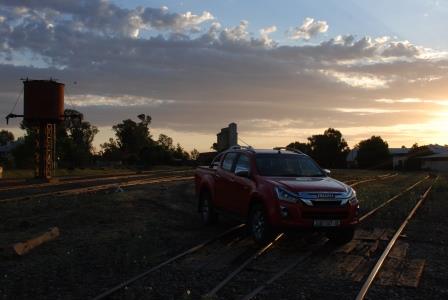


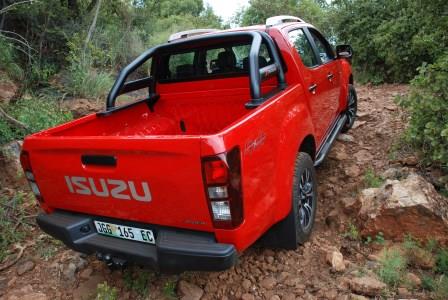
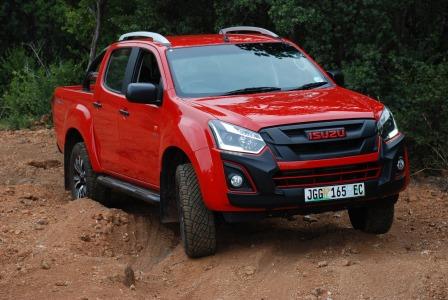
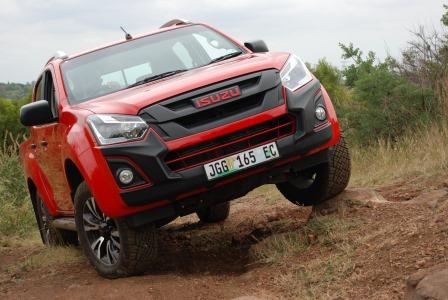

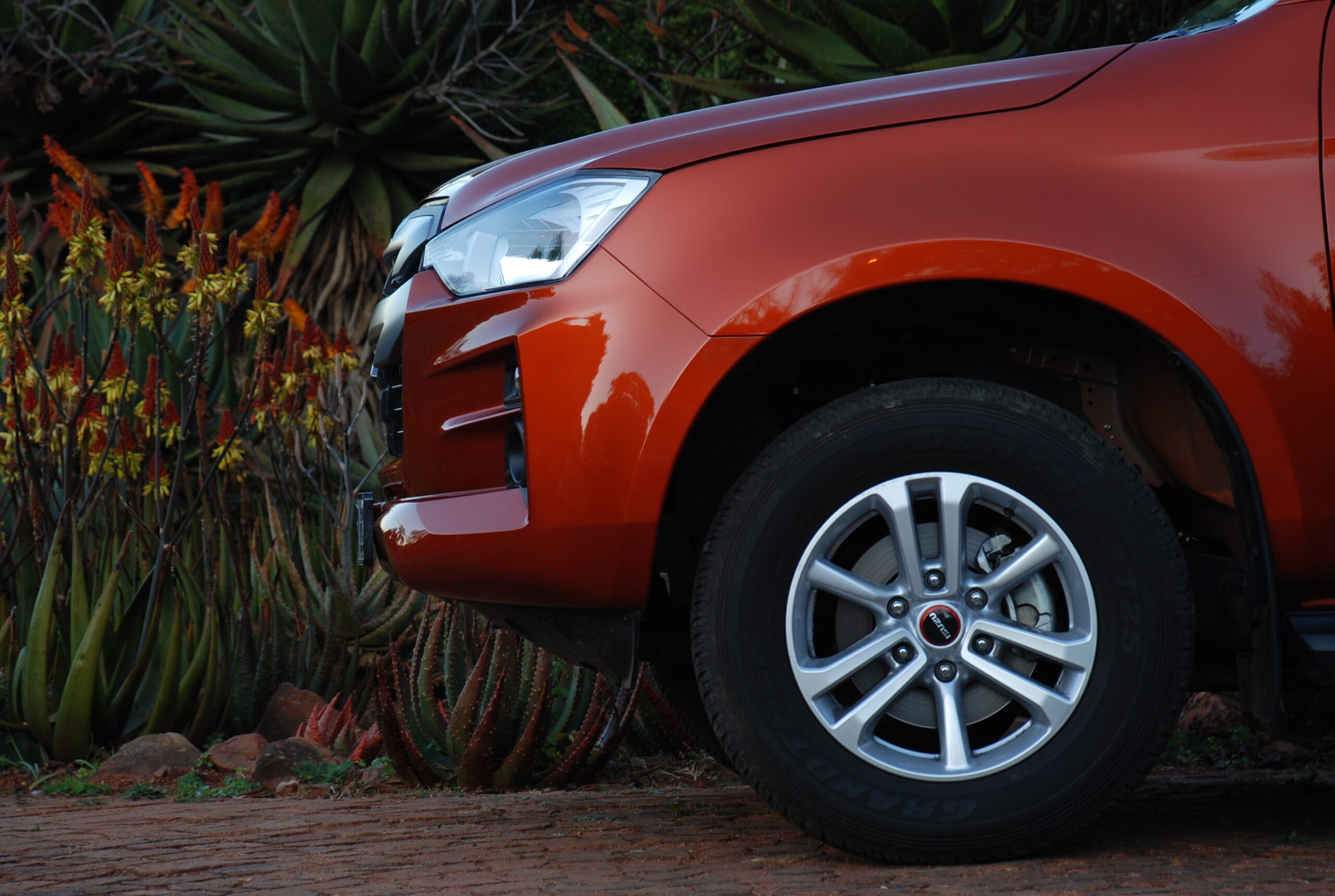

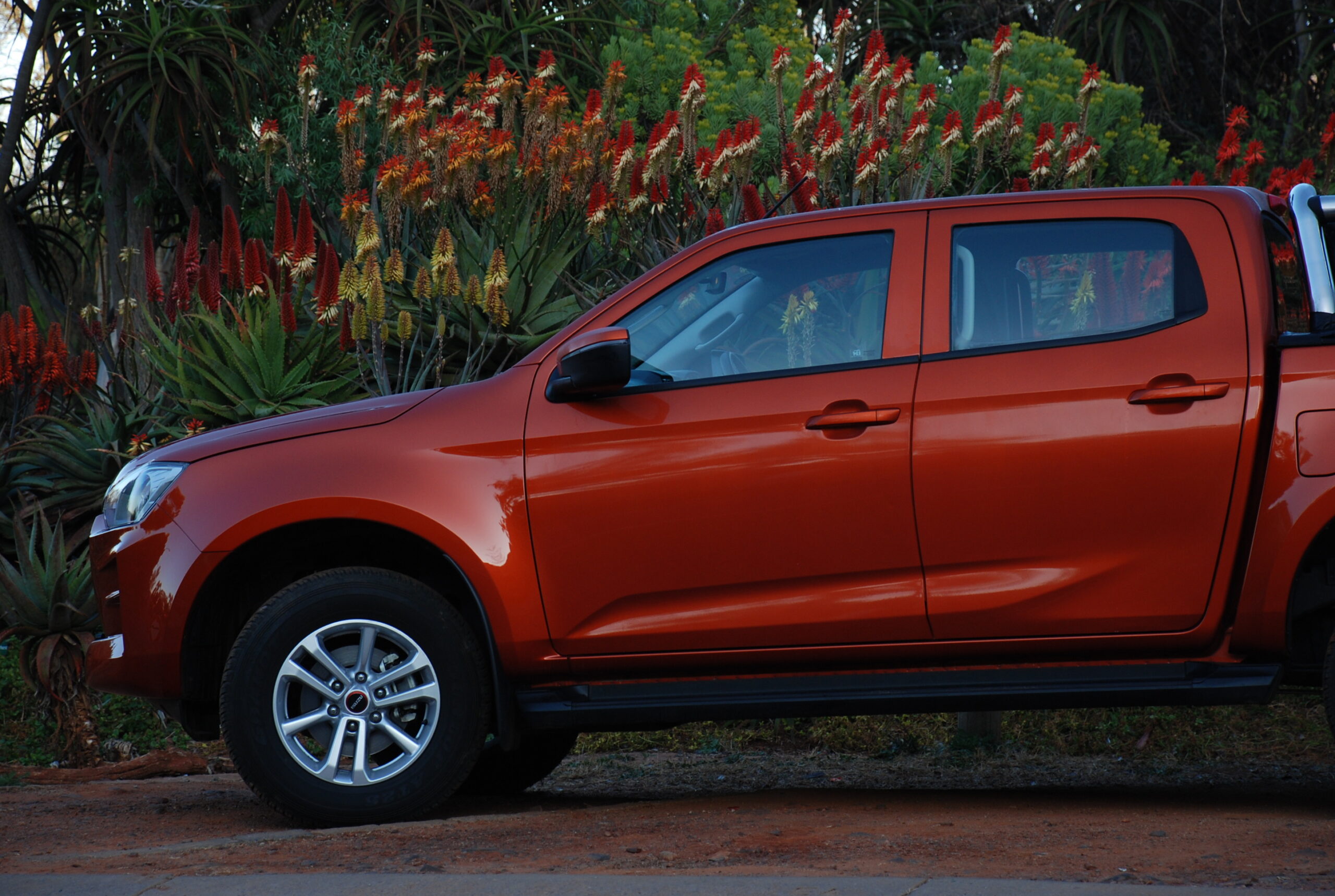
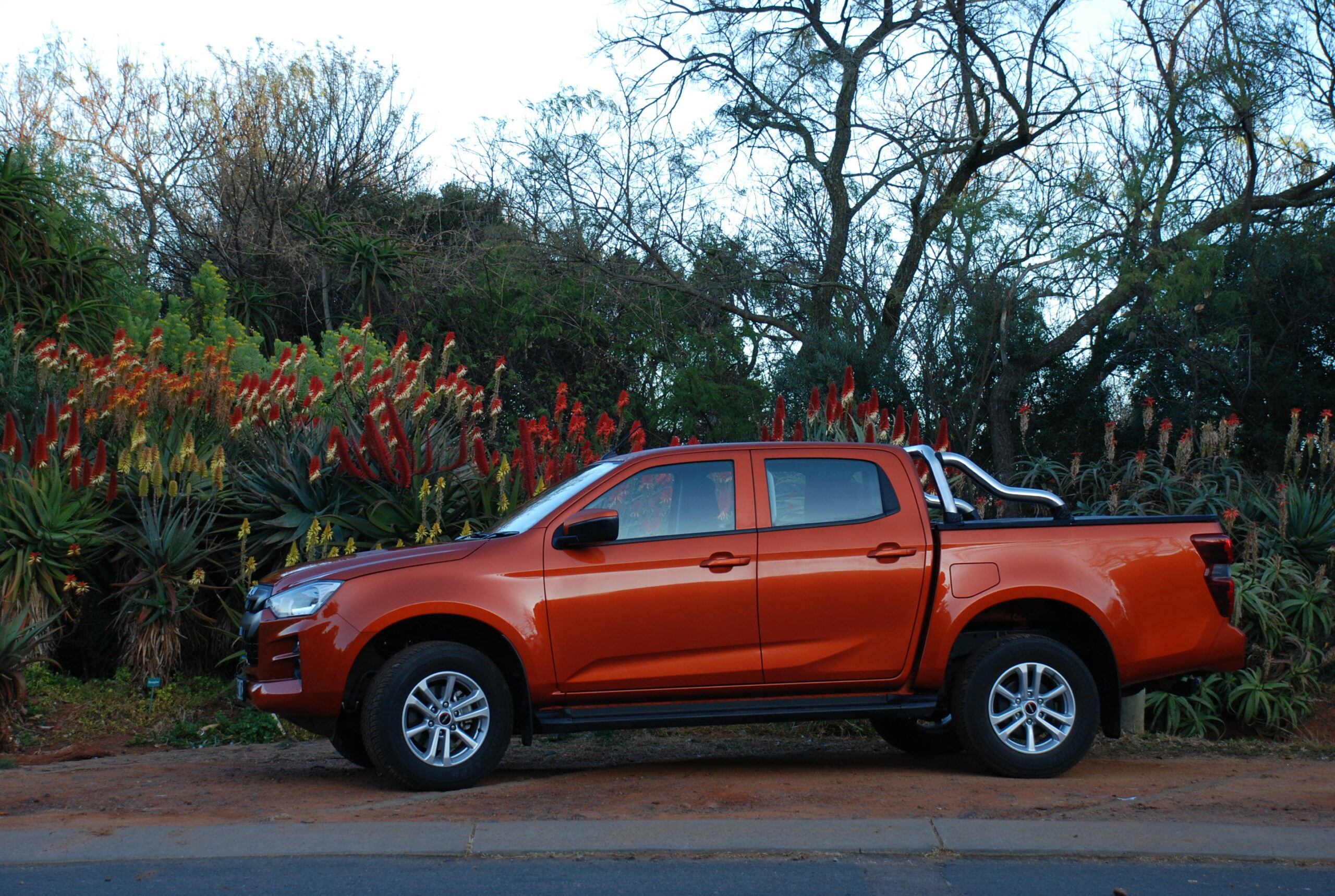
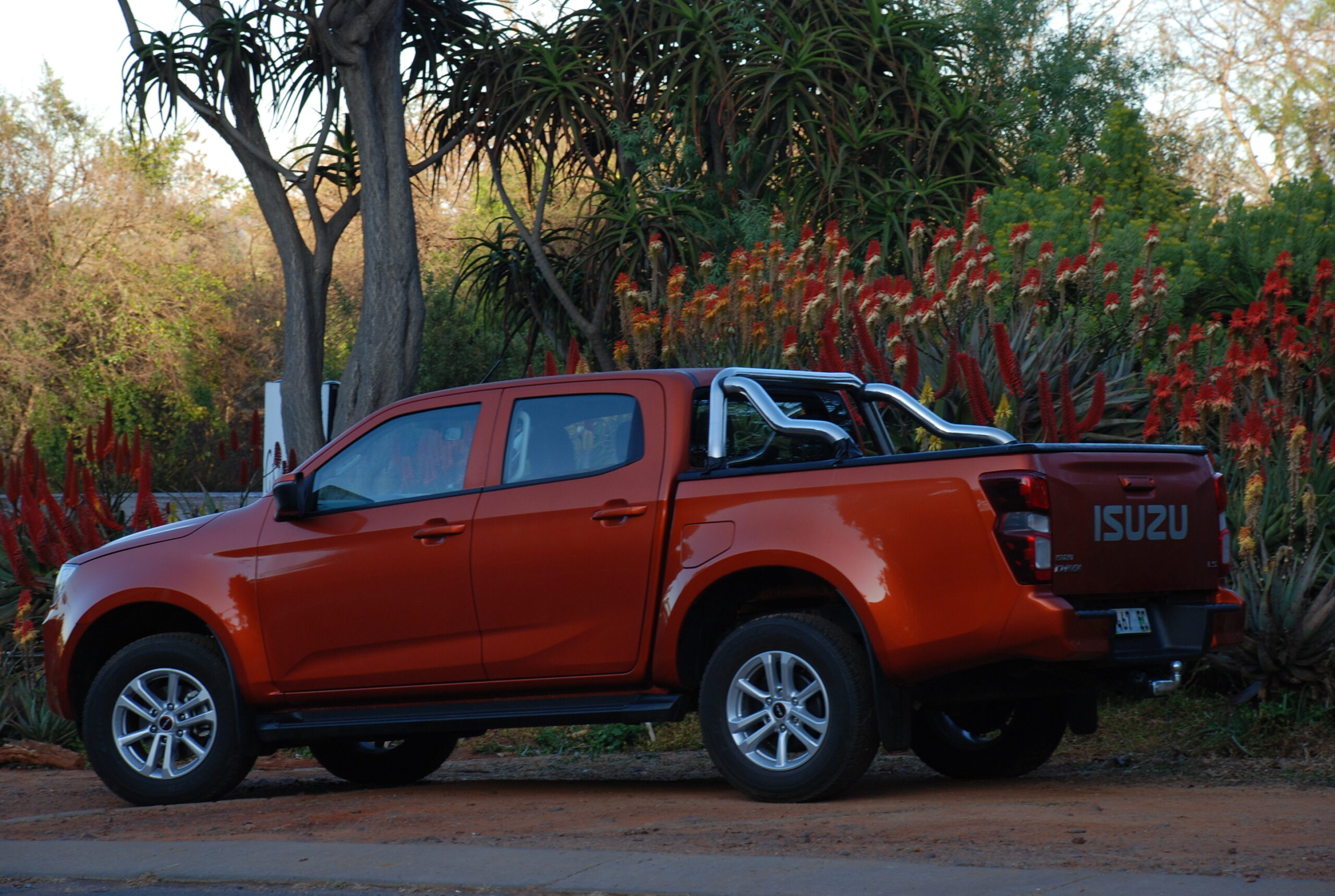

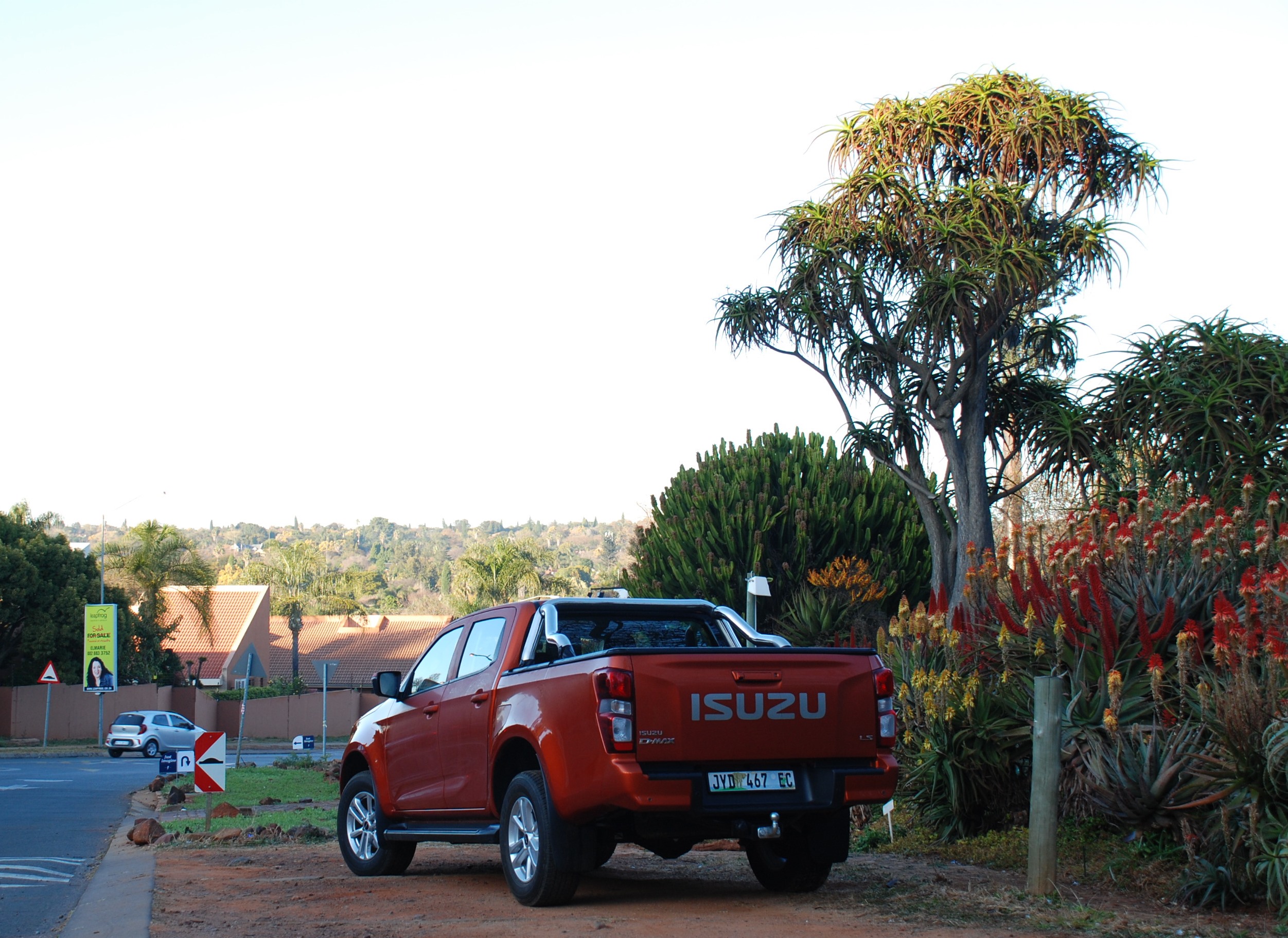
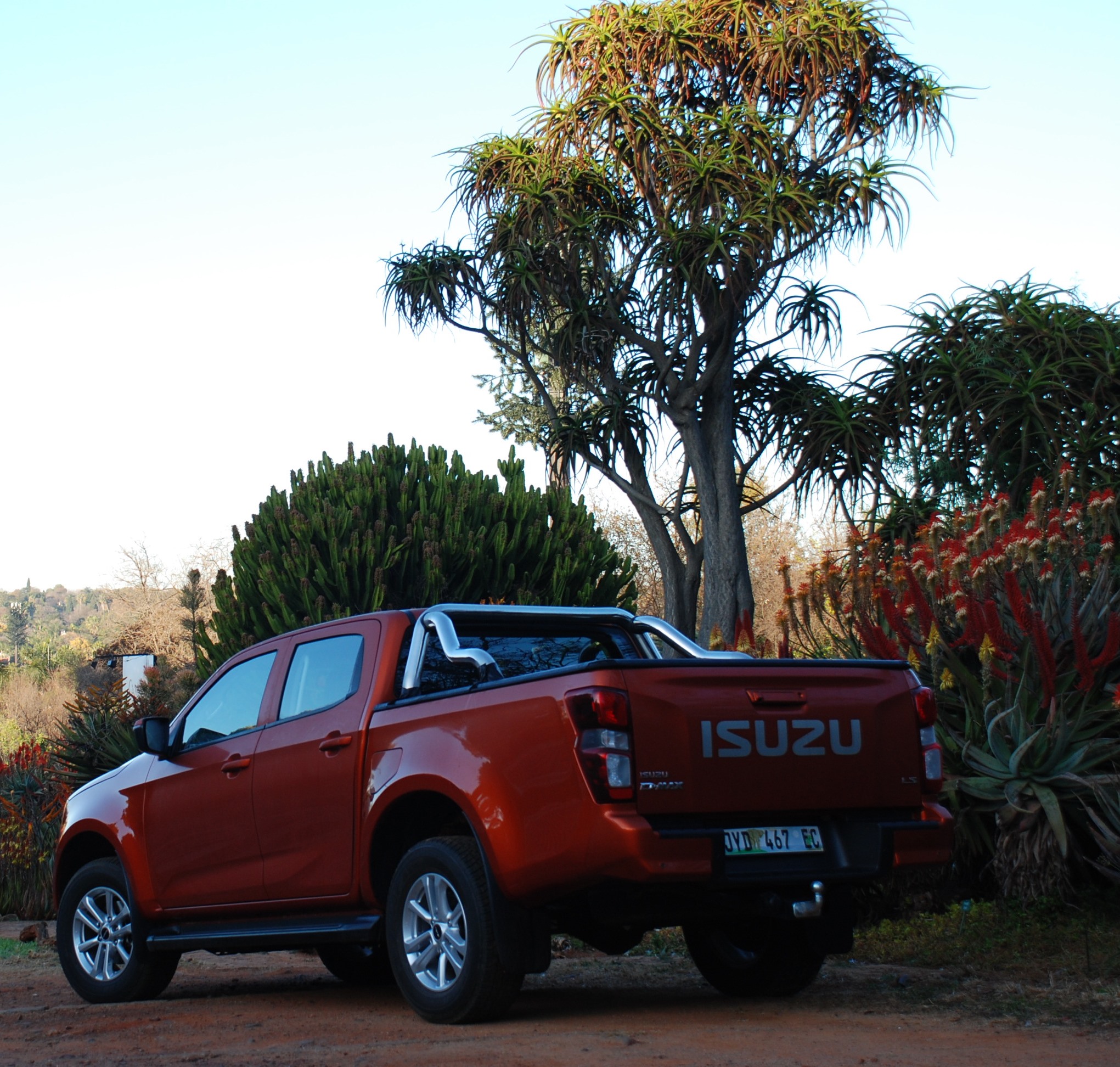
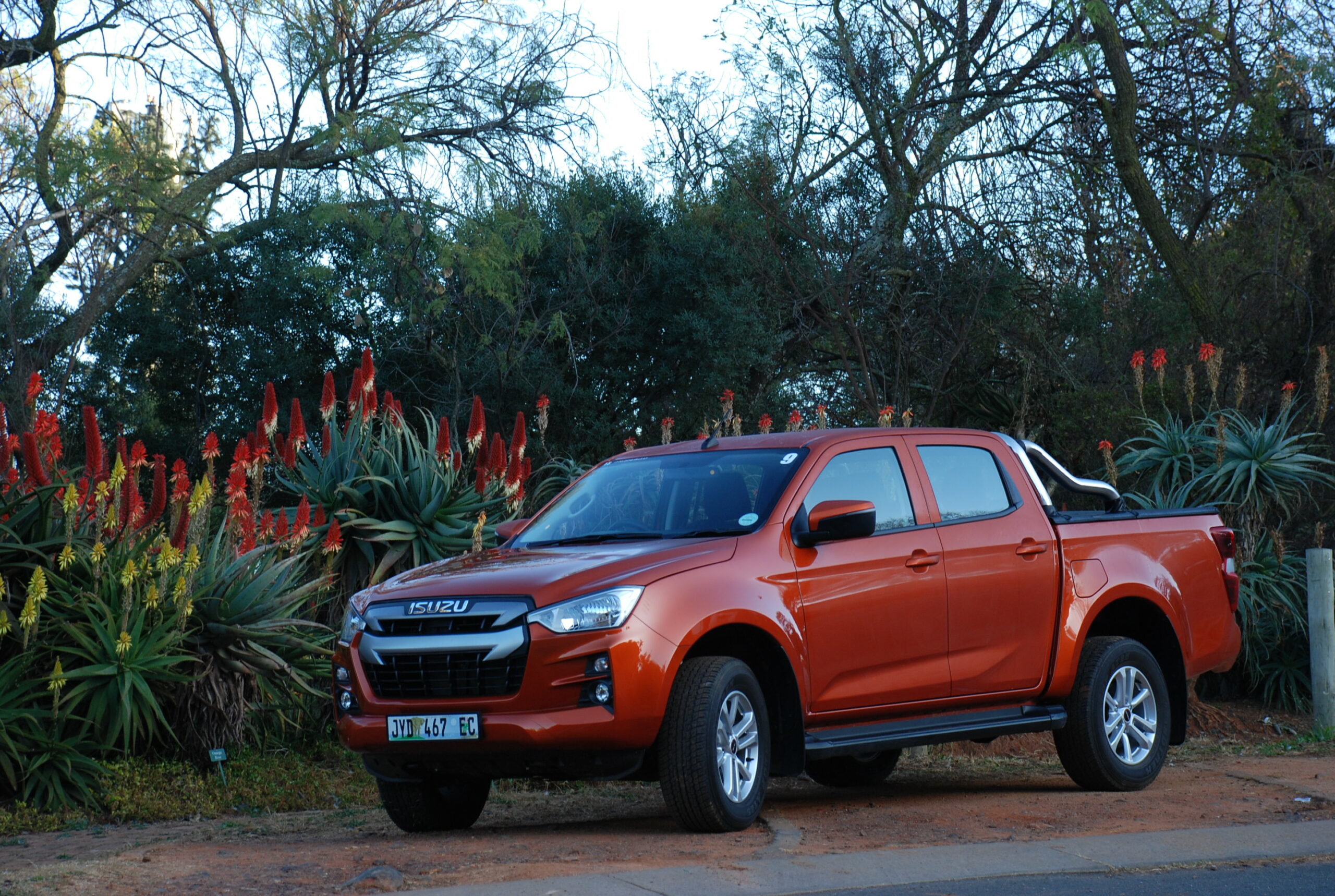
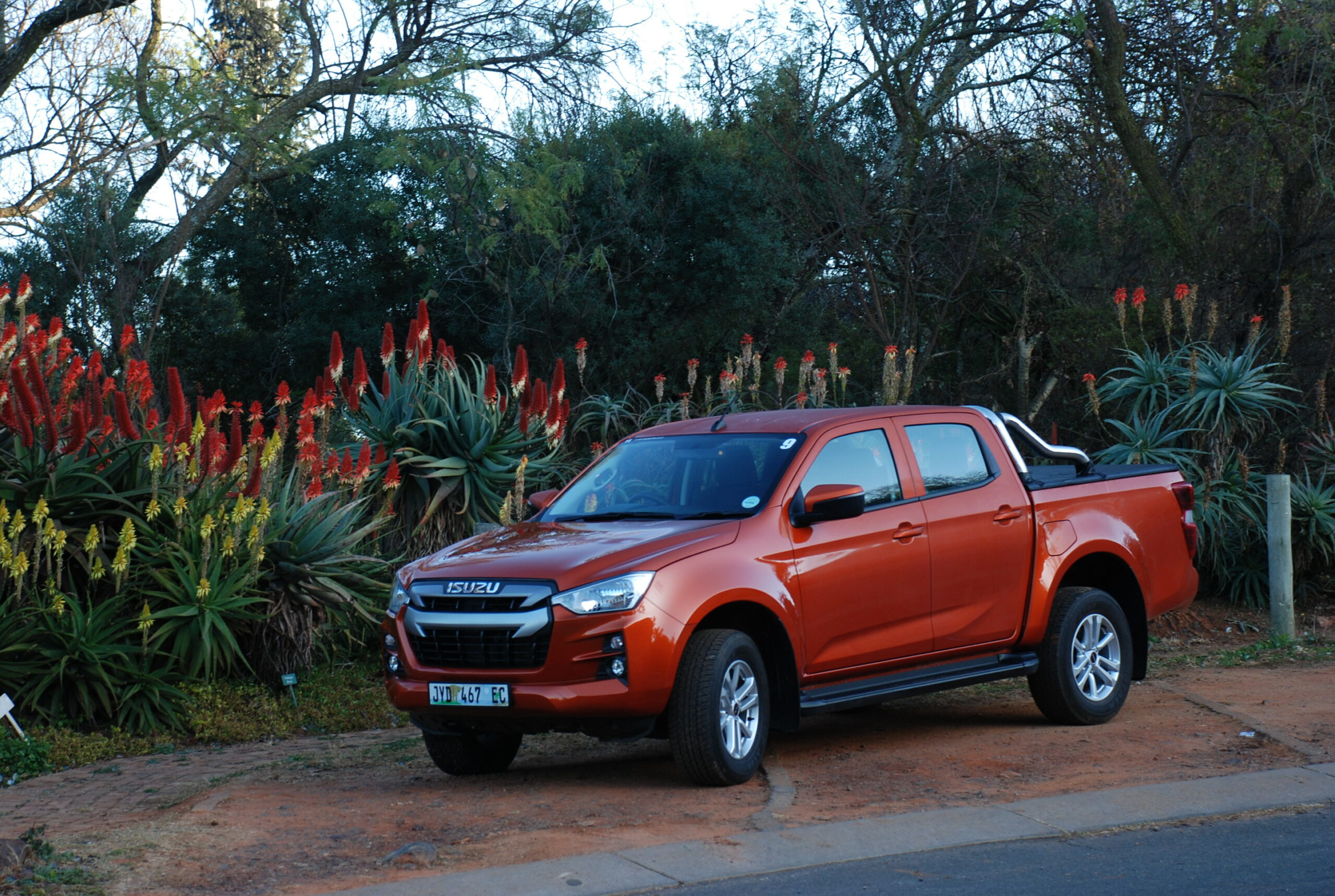
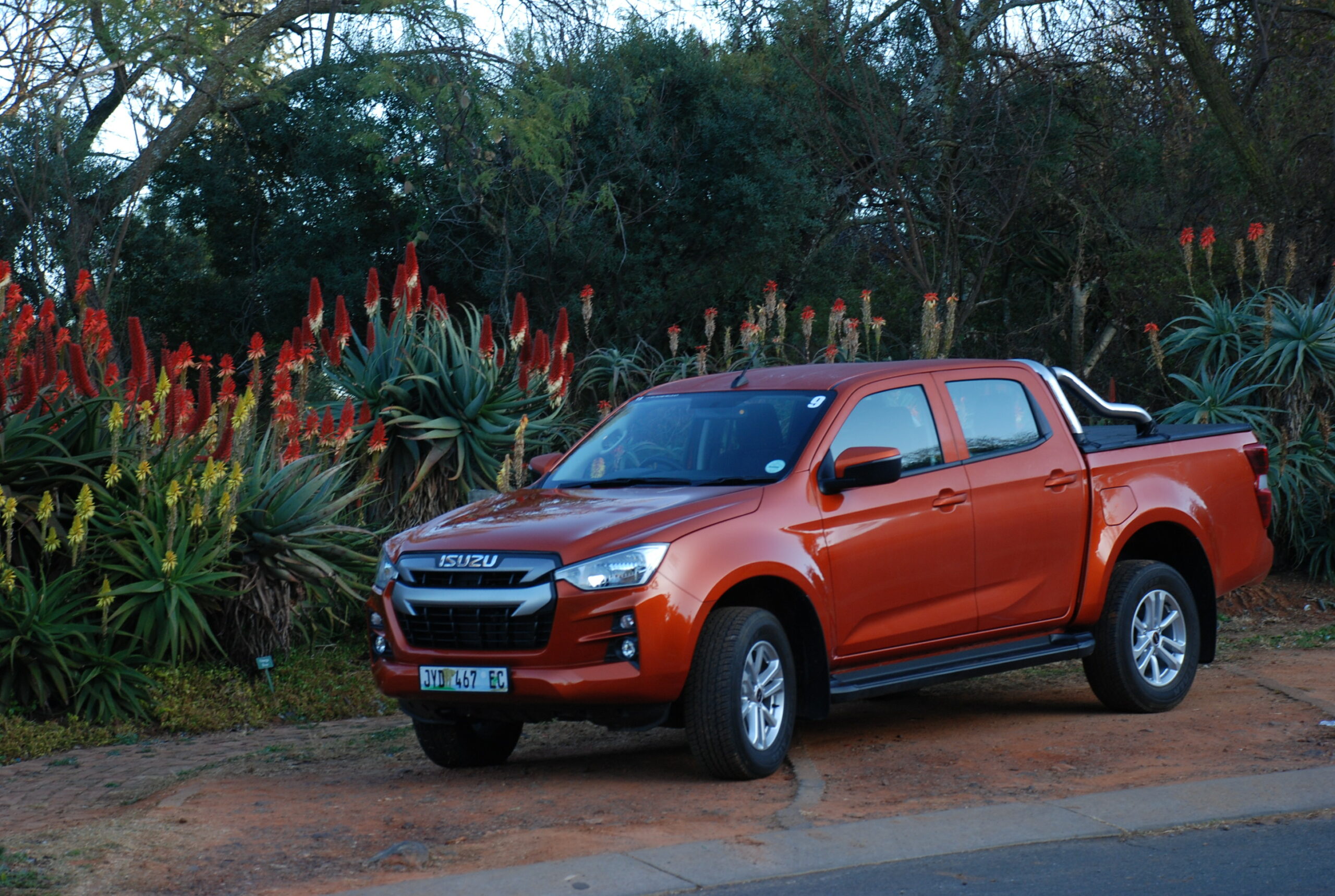
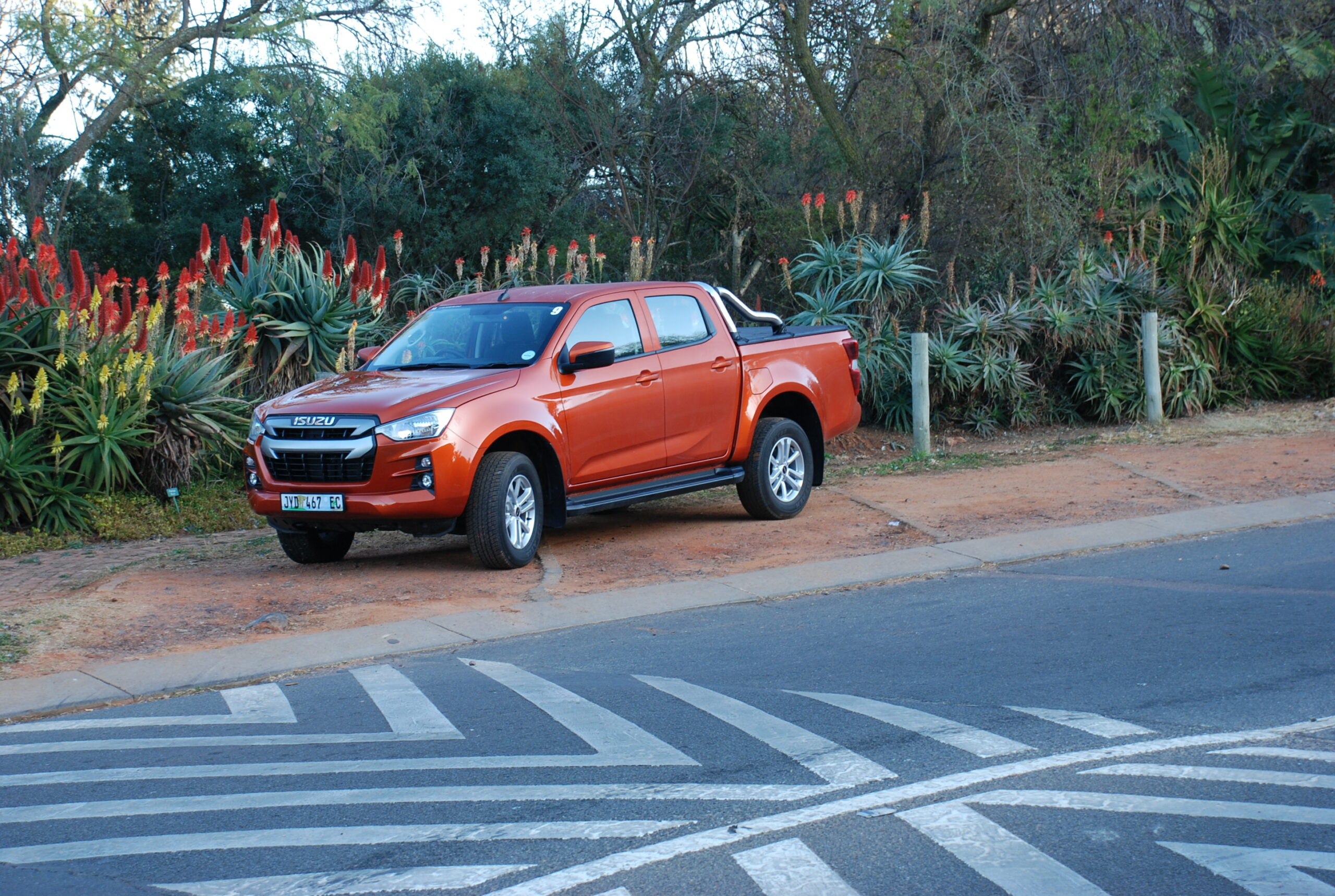

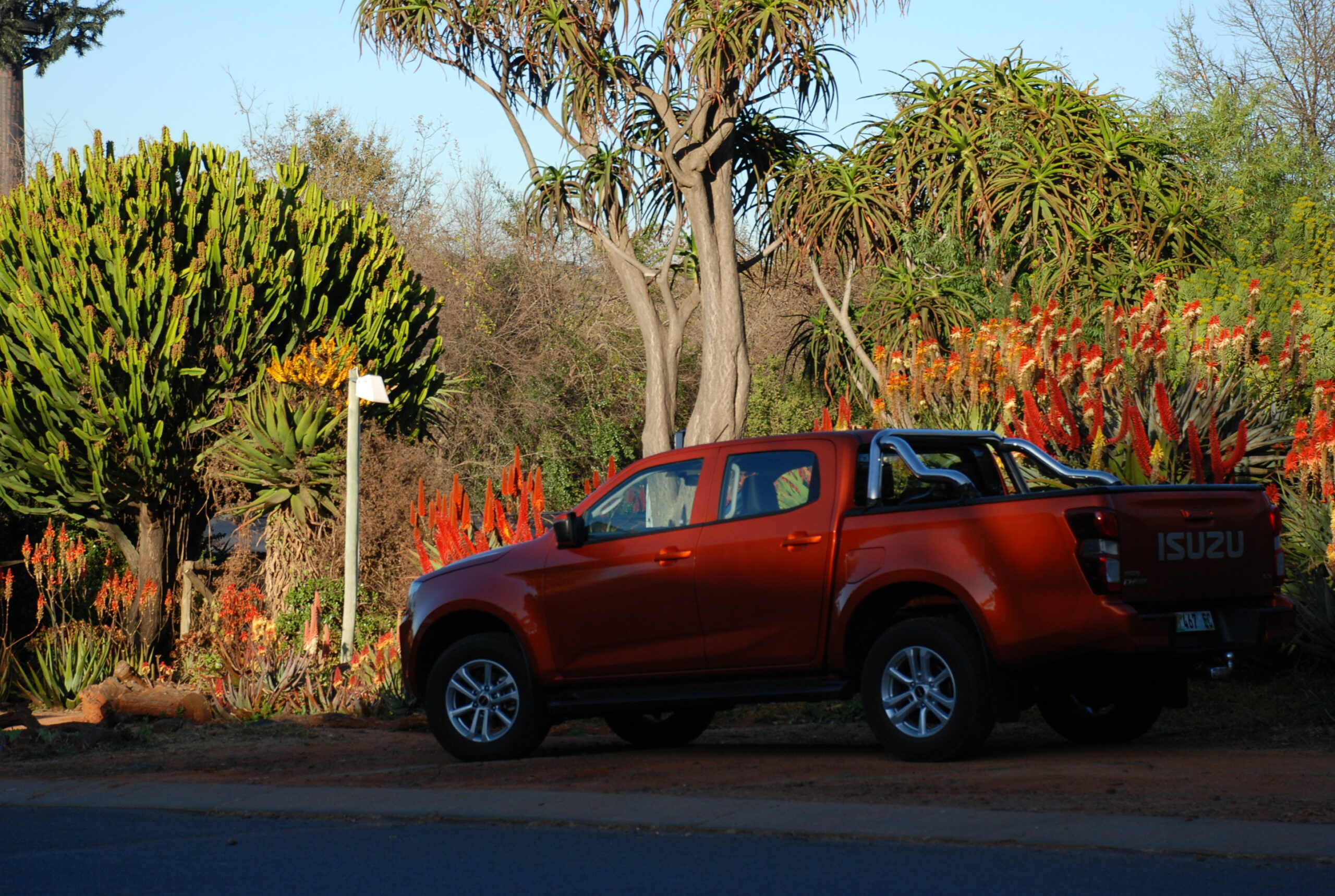
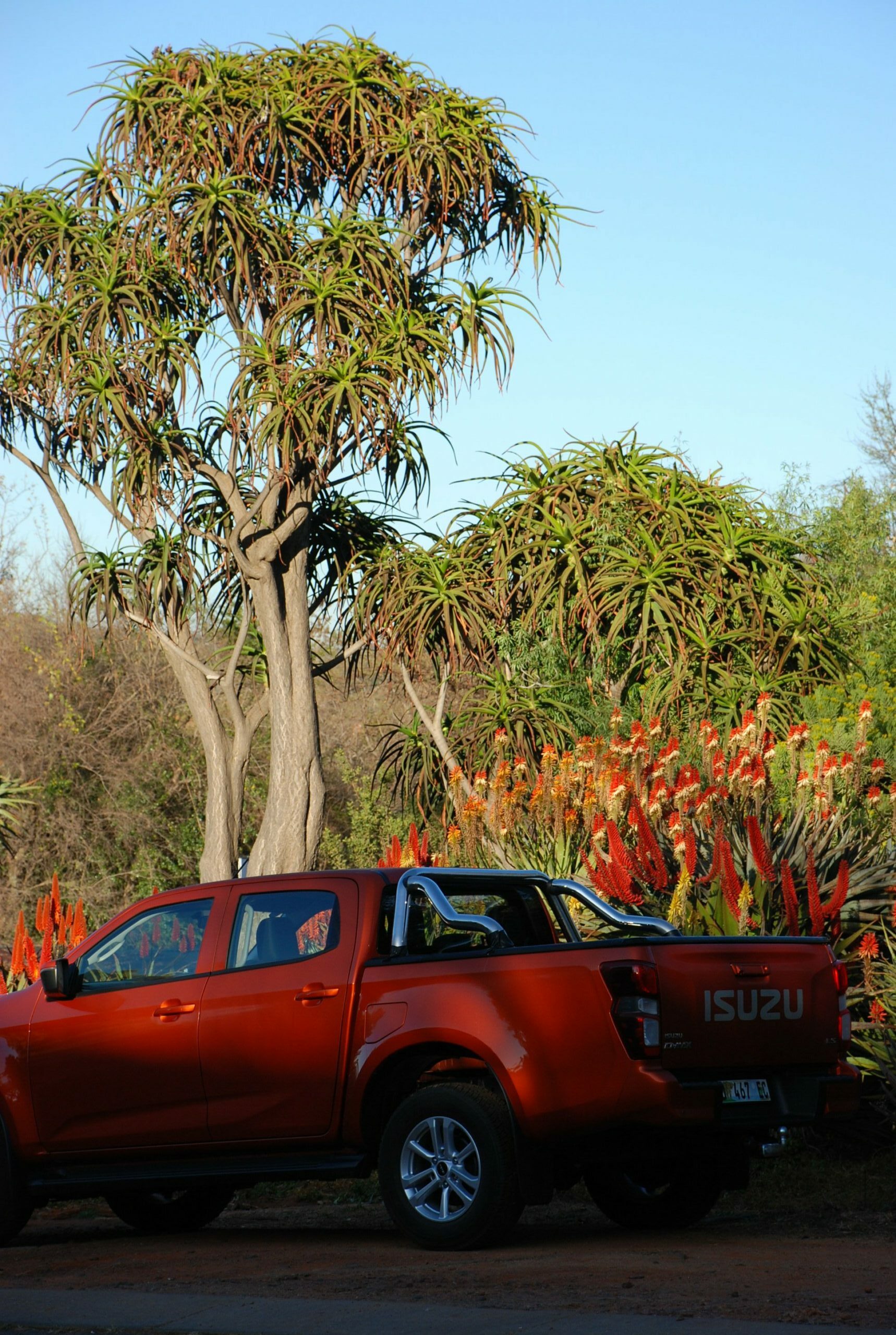
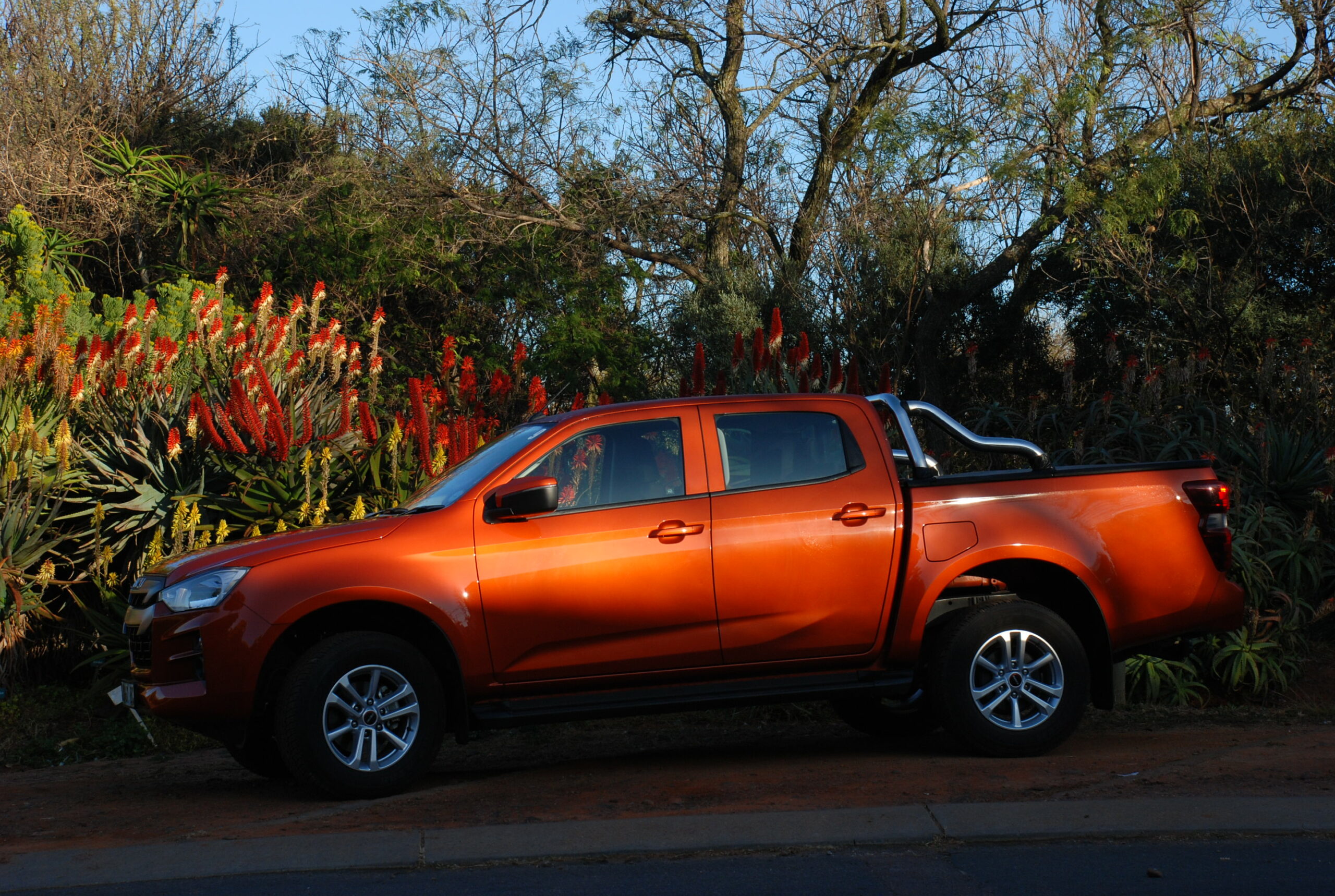
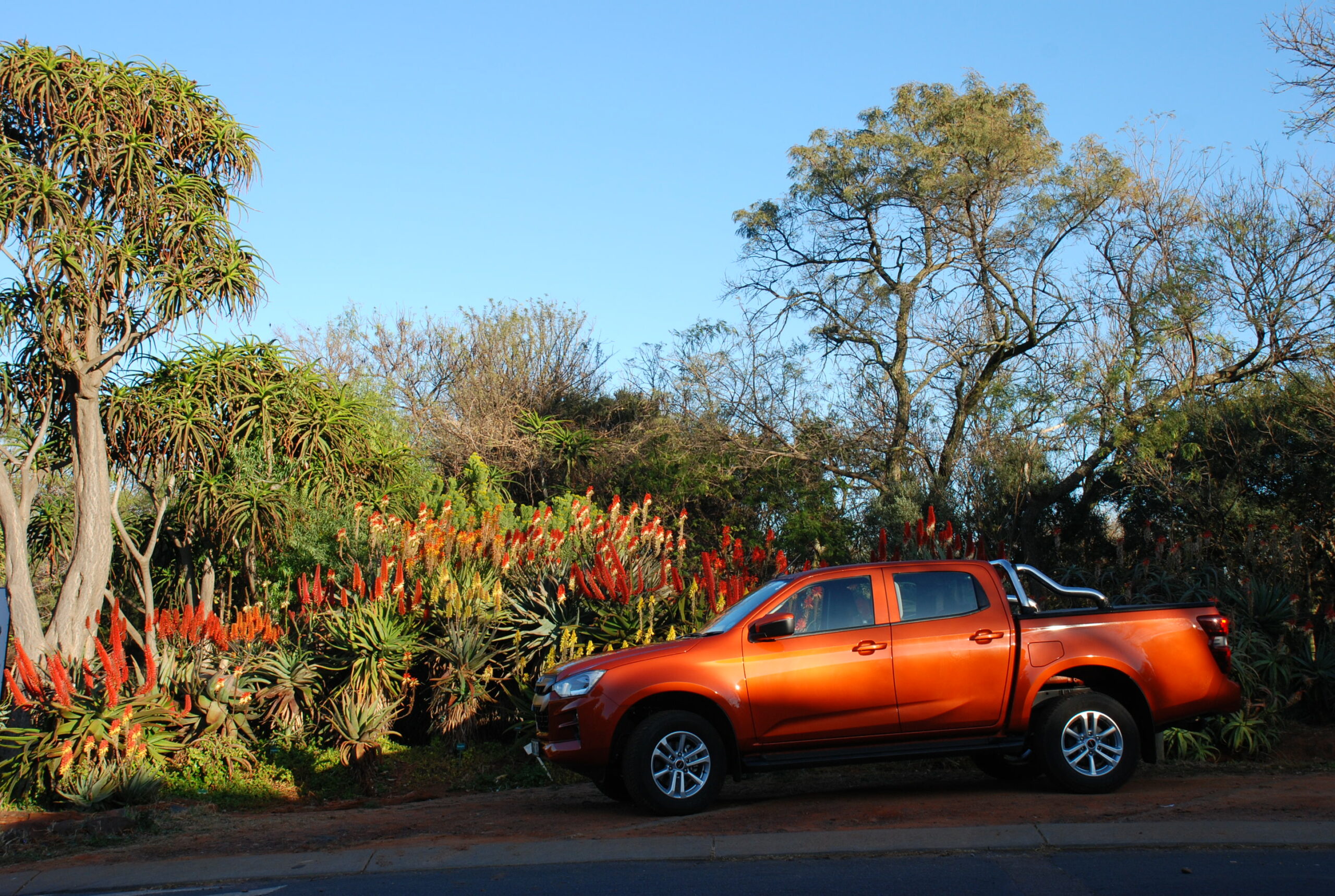
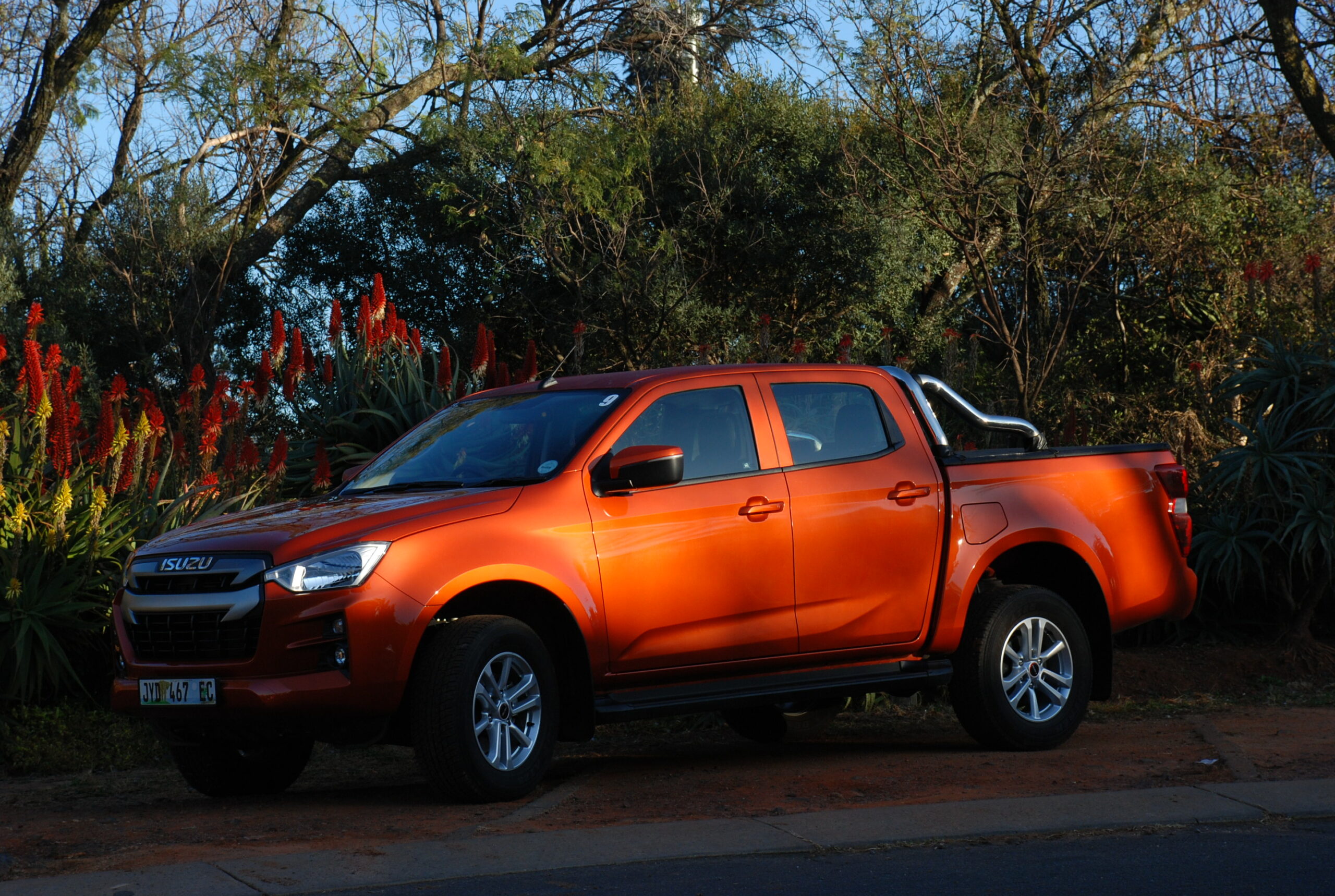
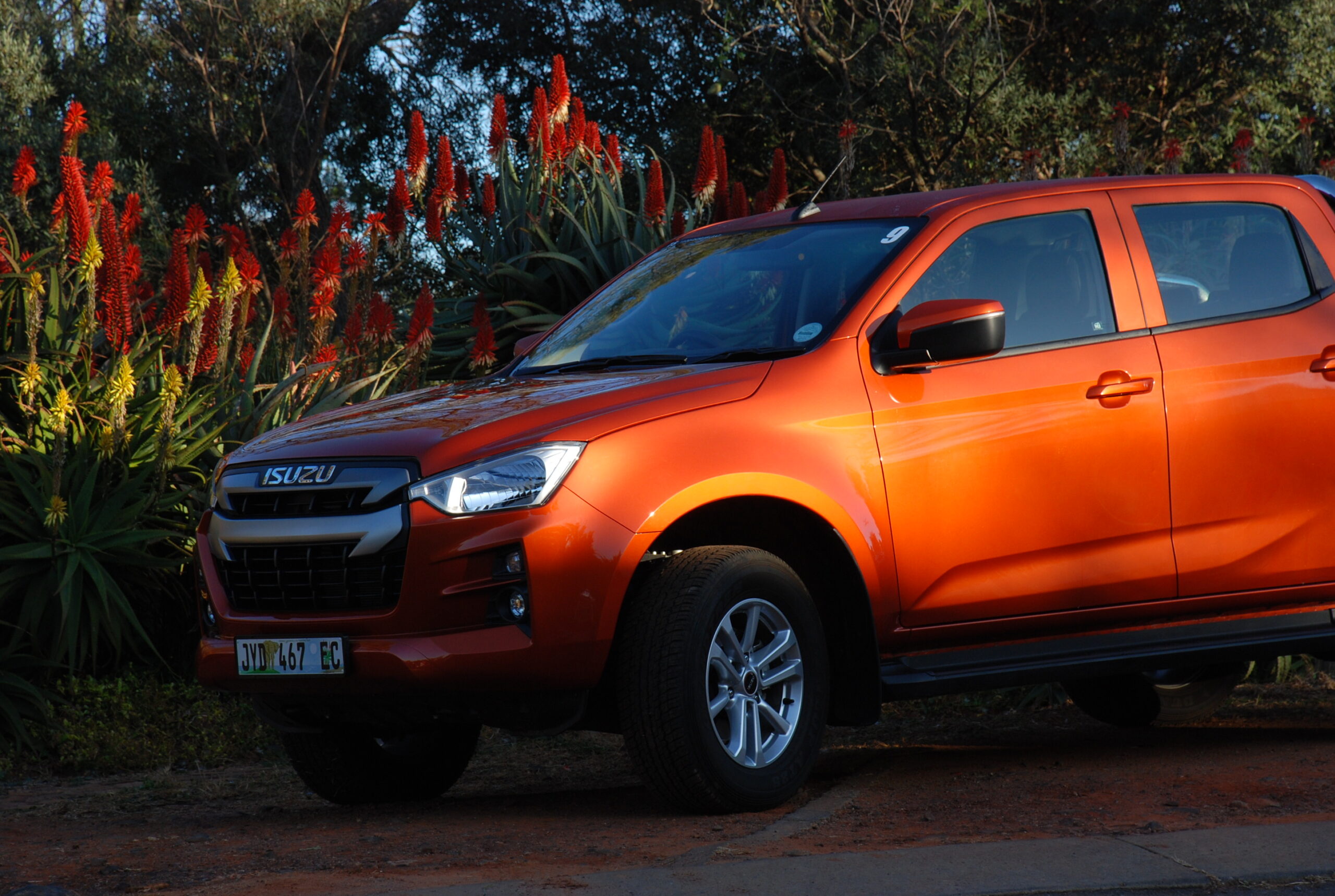
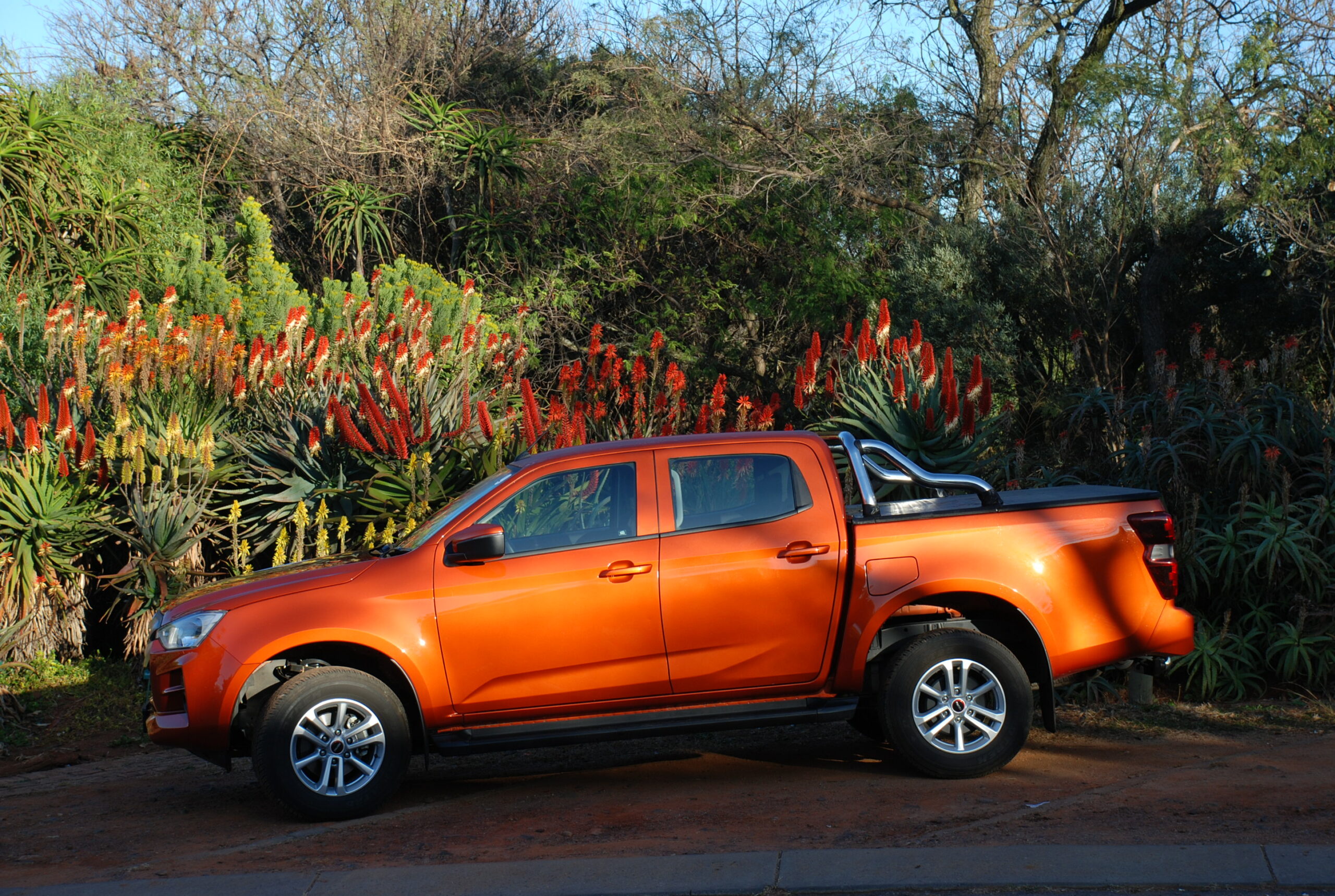
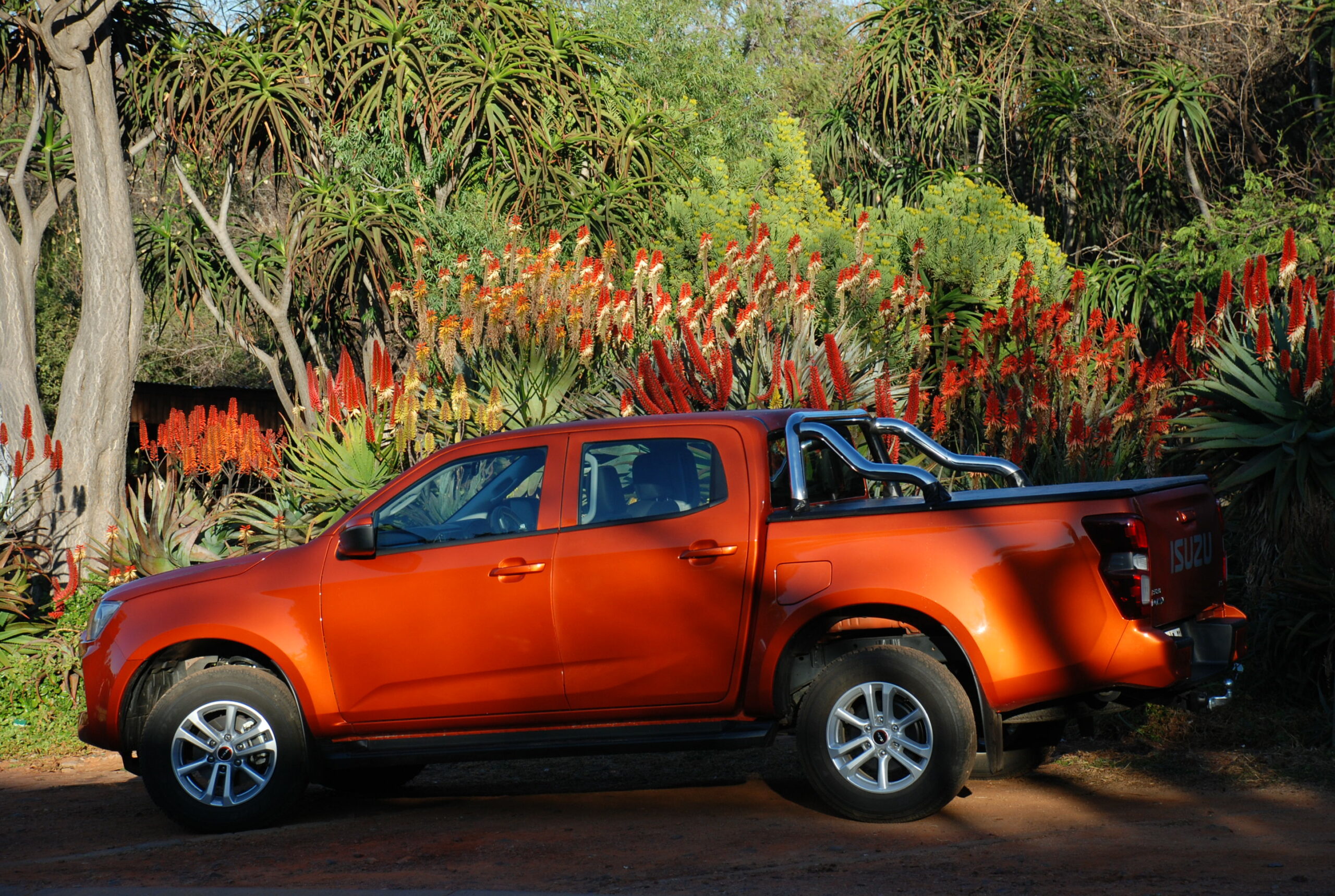


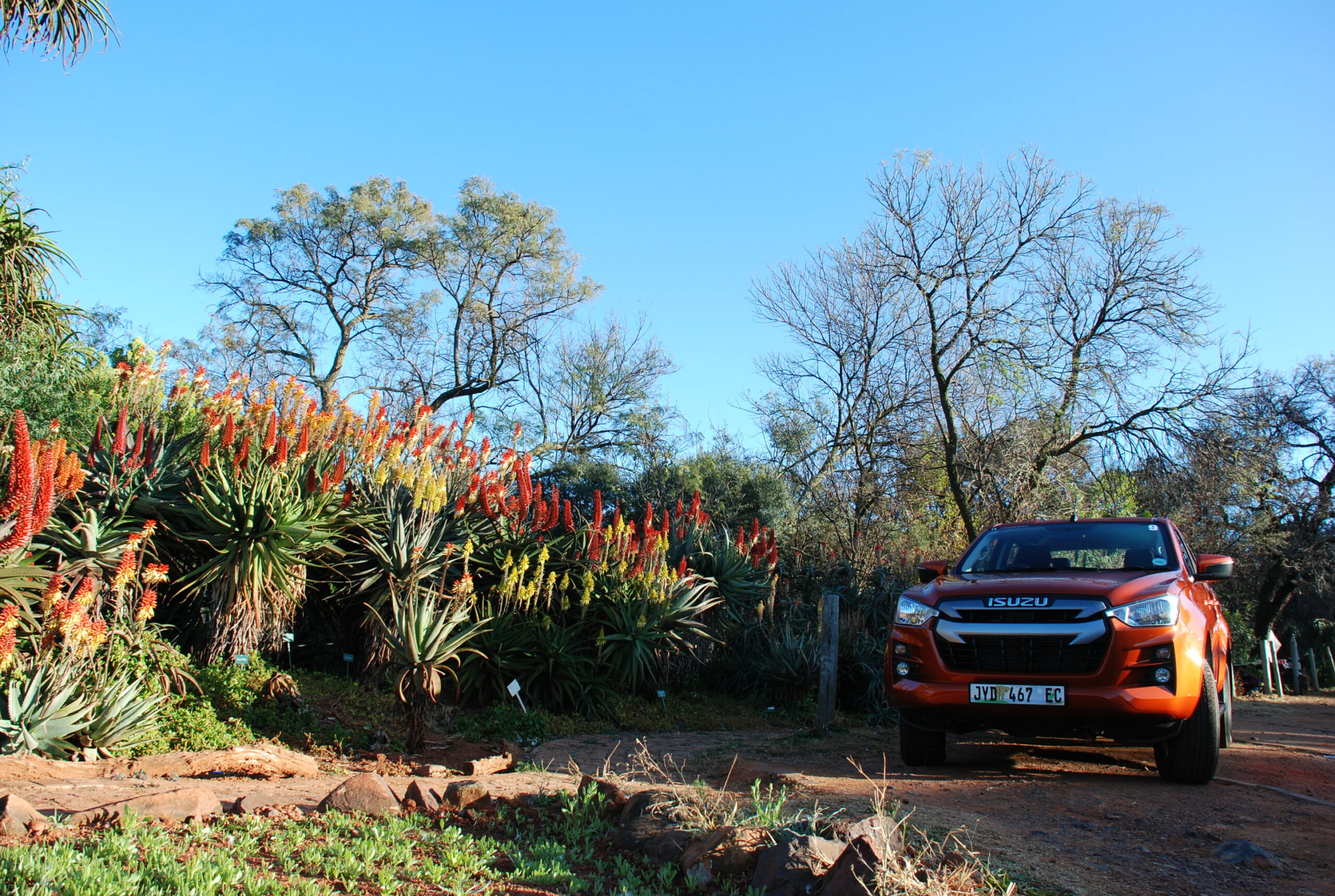
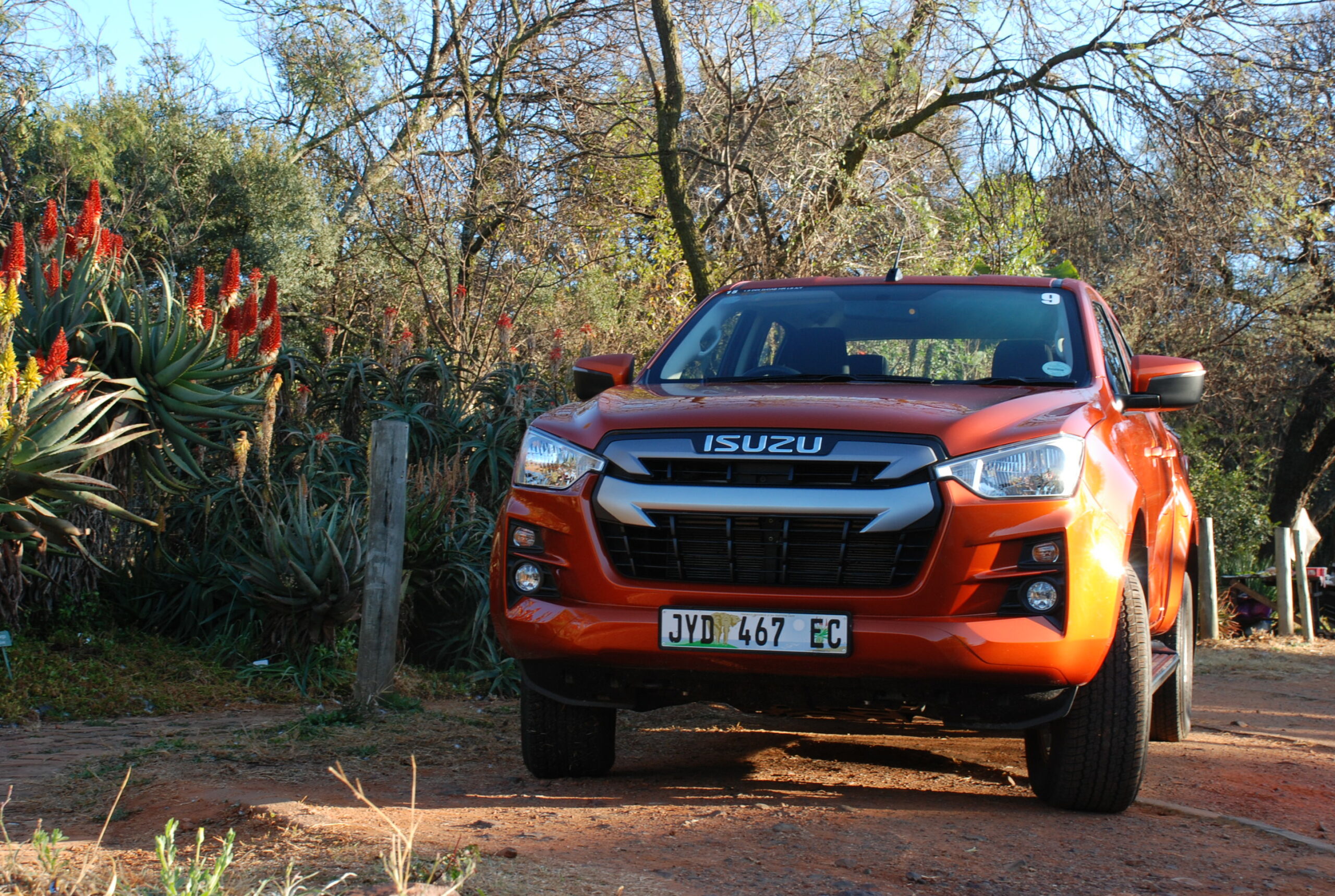


Isuzu D-MAX 3.0 TD (2019 ) - Road test
Isuzu D-MAX 3.0 TD
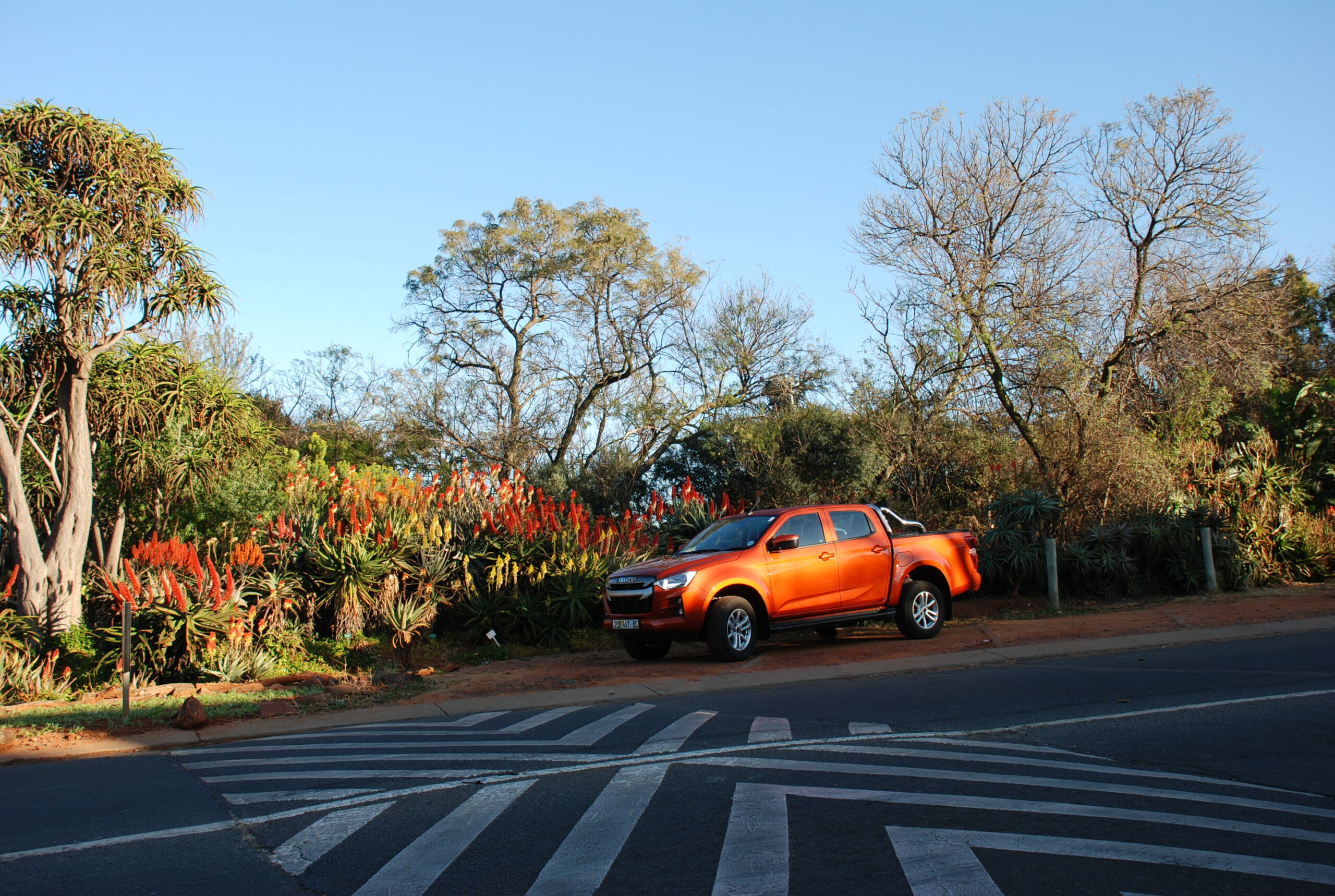
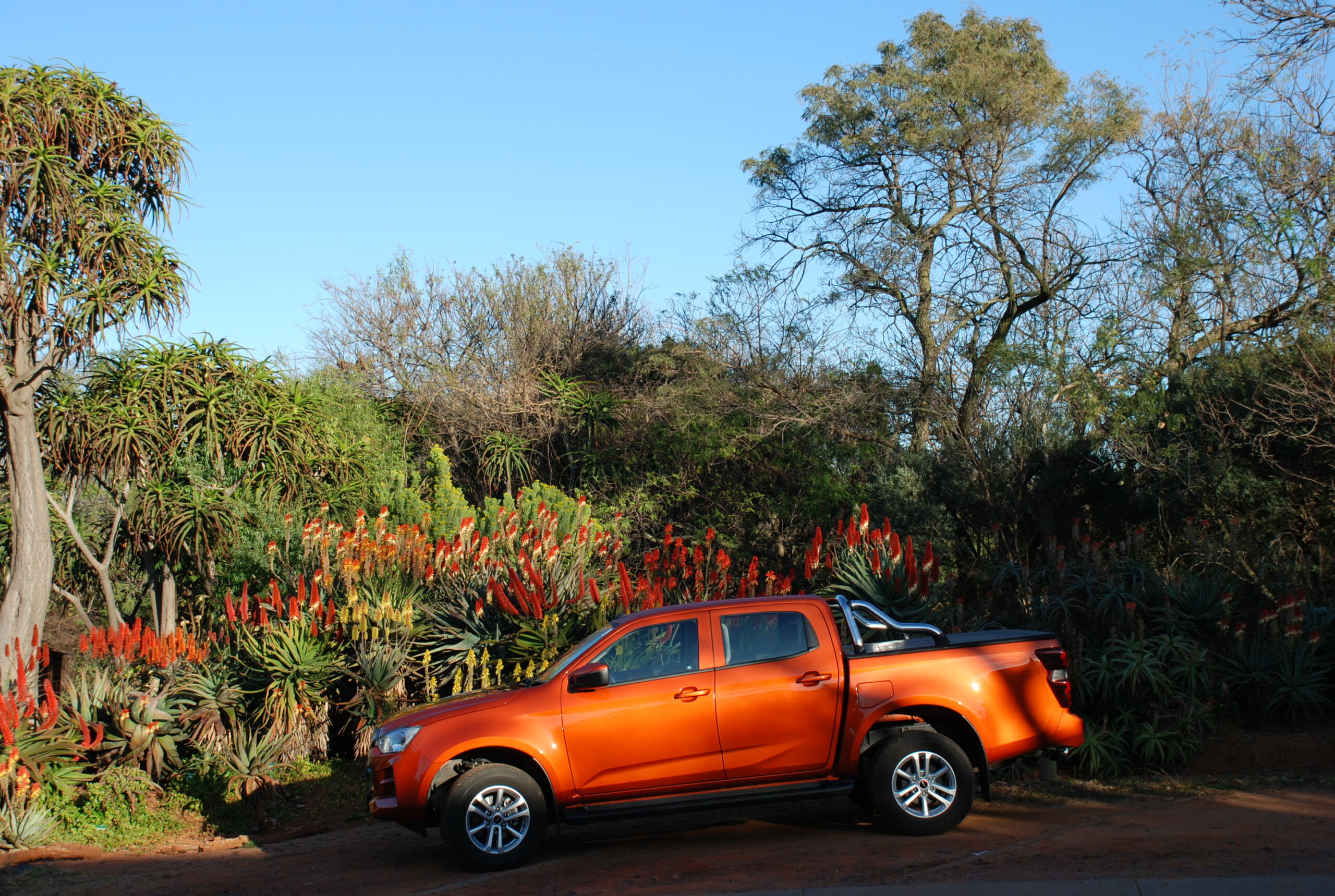
I have not yet had the opportunity to test drive the 3liter D-Max, since the launch of the new Isuzu D-Max in October 2018. Almost a year later I got the opportunity and it was like driving it for the first time, since my initial thoughts was almost erased from memory. The bit of driving we did during the launch was more a teaser than anything else.
Although I did manage to test the new D-Max in the form of the 2.5 X-rider in April this year, it was still not the 3.0 liter.
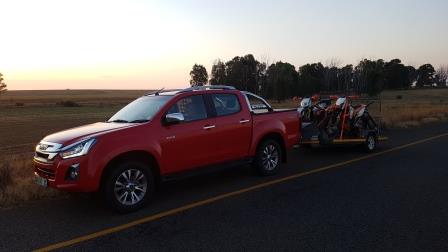
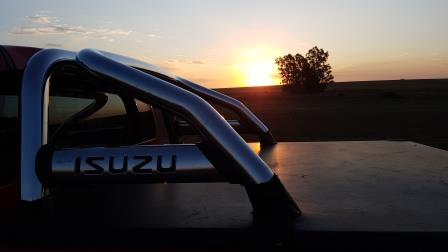
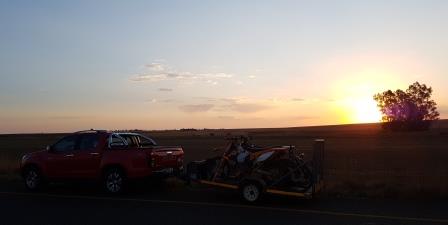
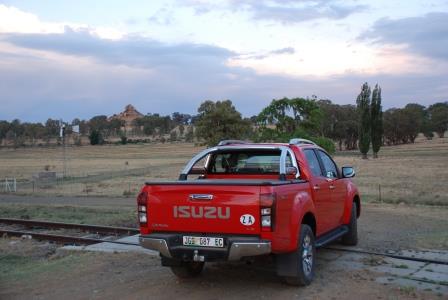
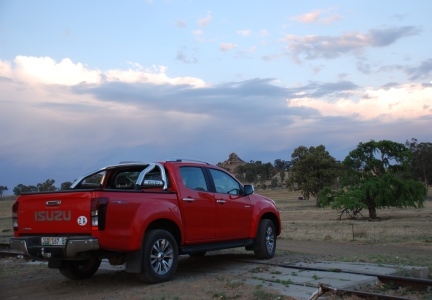
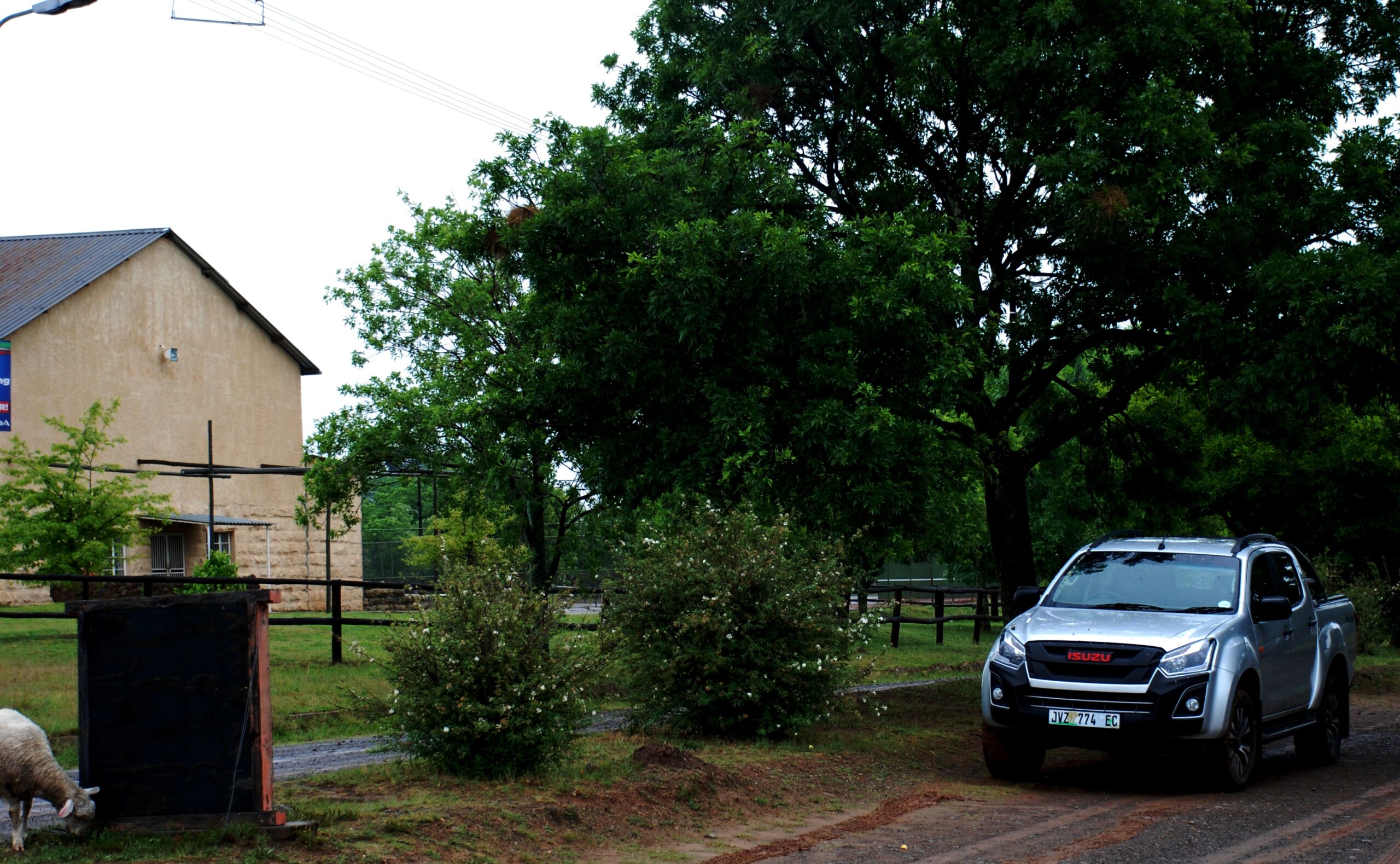
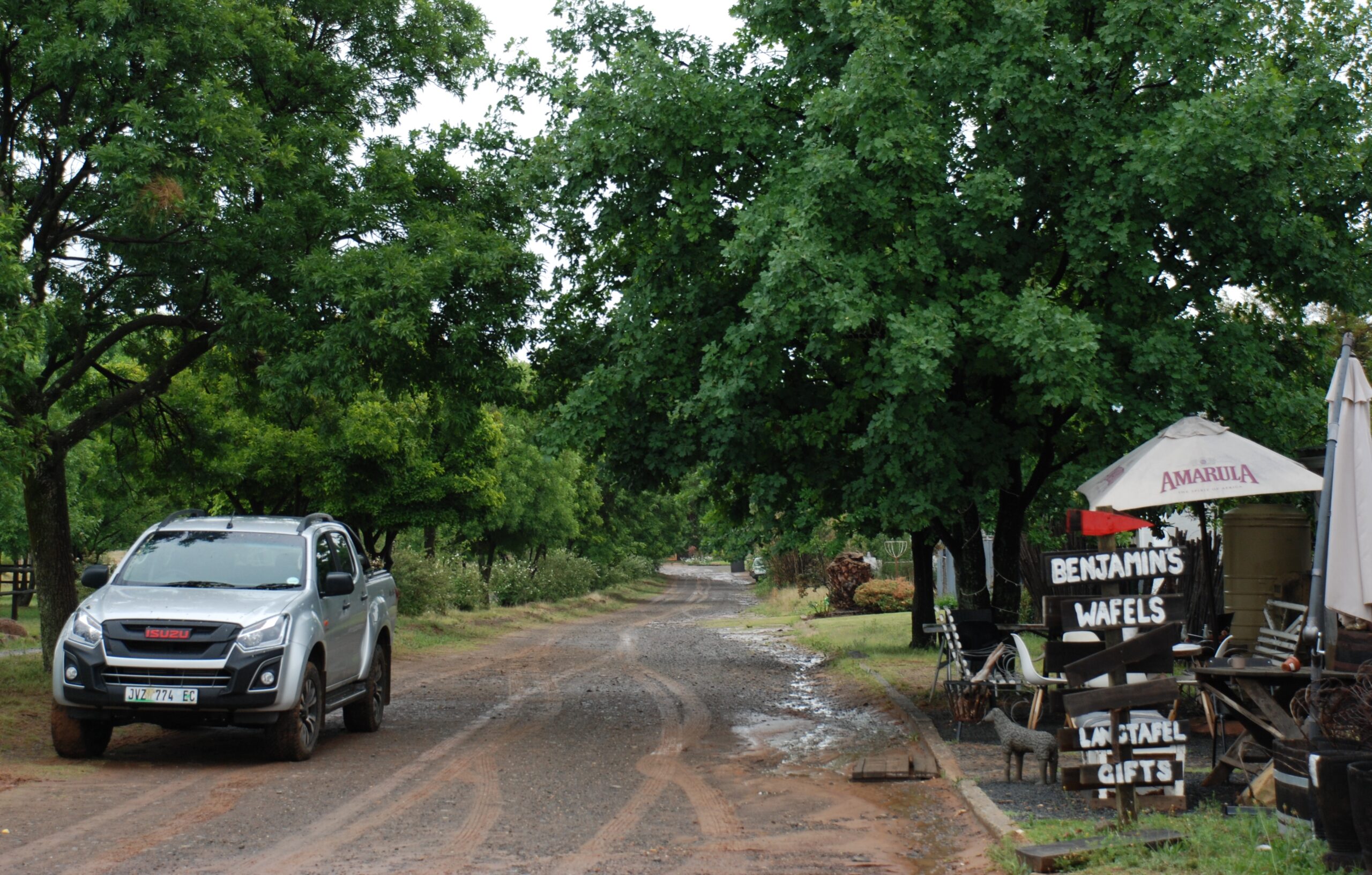
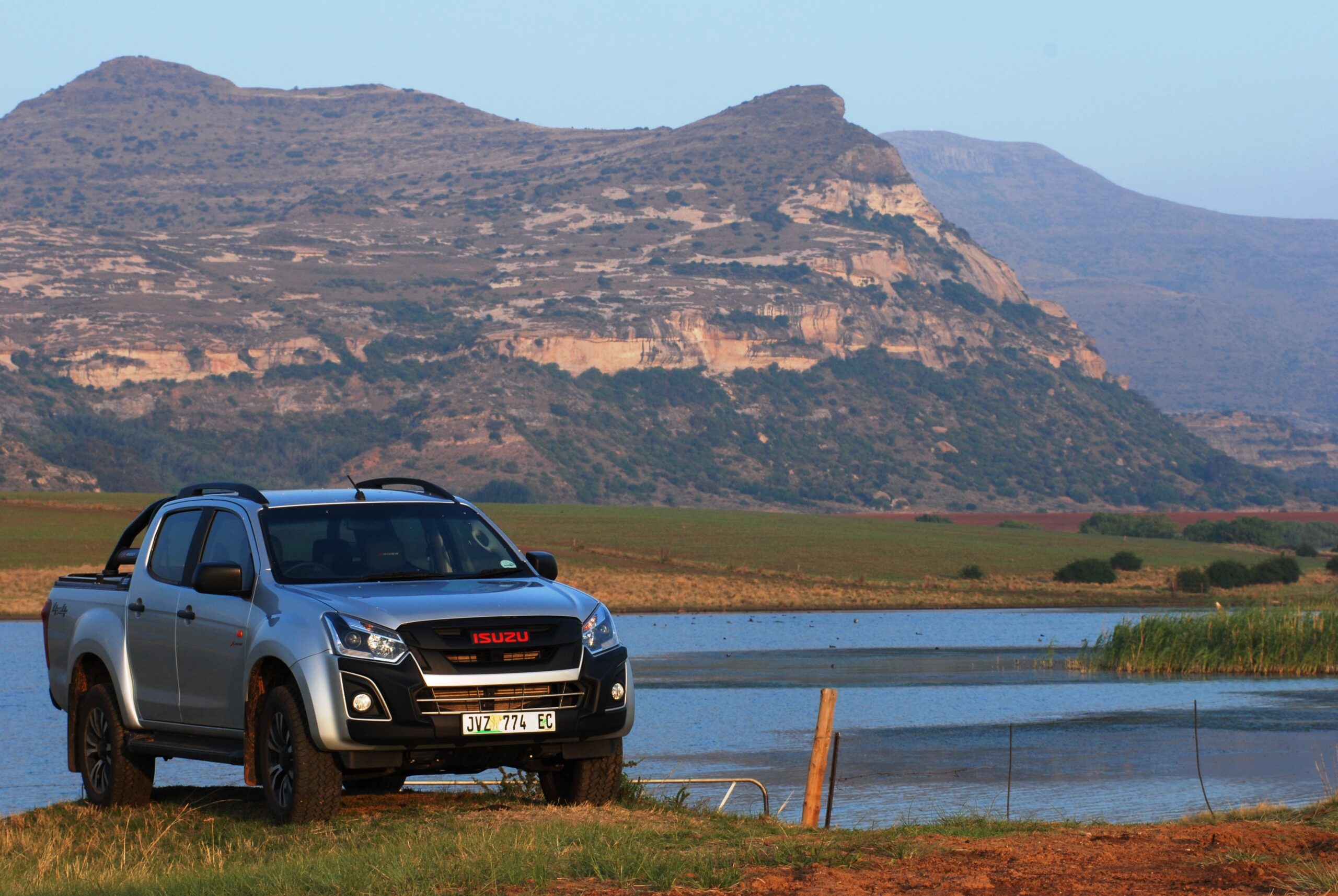
As with the previous road test on the X-rider I headed for the Eastern Free State and hooked a motorcycle trailer with 3 off-road motorcycles. I wanted to test the Trailer Sway Control that detects and minimises the effects of a trailer or caravan beginning to sway from side to side and also the performance of the 3.0 liter 4×4 LX since it is capable of hauling 3.5 tons.
The 3.0 liter had no problems towing the trailer and where I frequently had to gear down on the 2.5 liter I managed to stay more in my gears and just stepped on the fuel peddle a bit harder when I needed that extra power. This power is derived from the 6 speed manual that benefits from optimised gear ratios and an improved shift action. It also makes the most of the strong torque delivery and the superb fuel economy of the dependable 3.0 liter four cylinder intercooled turbo diesel engine, which produces 130kW of power and 380 Nm torque.
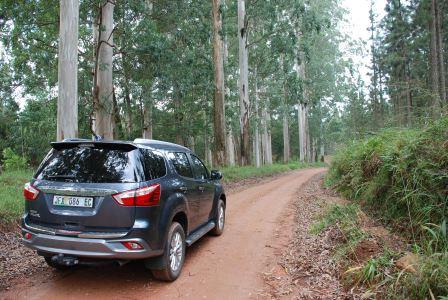
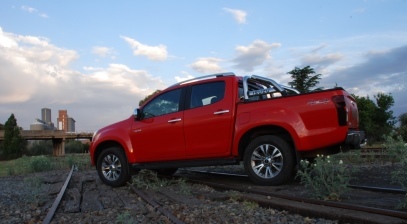
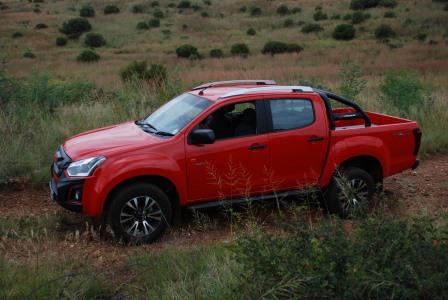
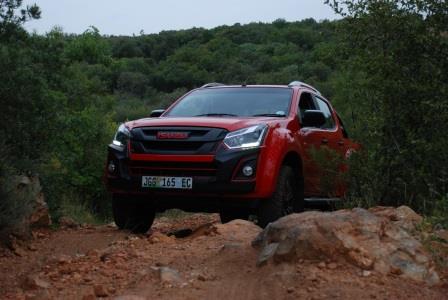
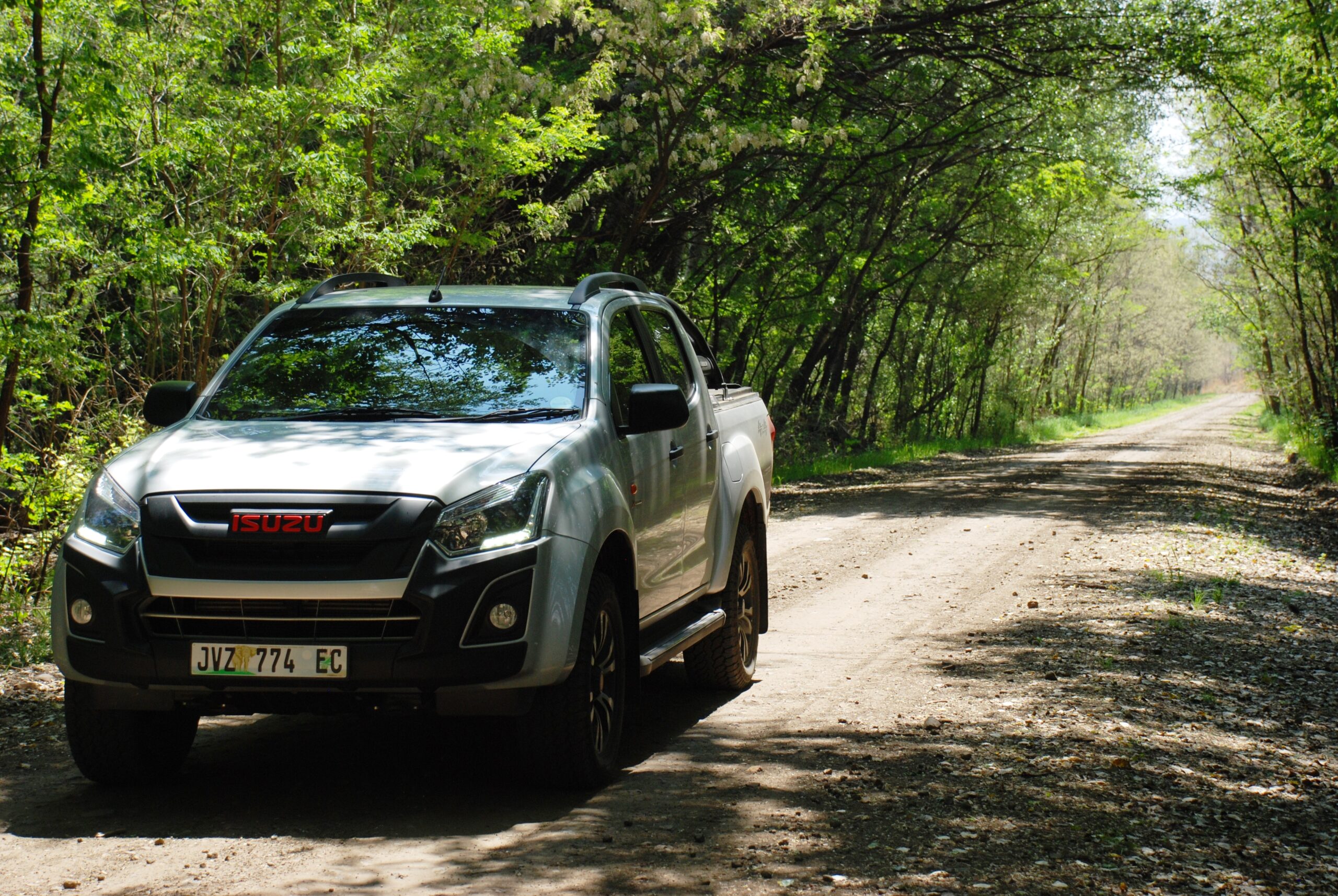
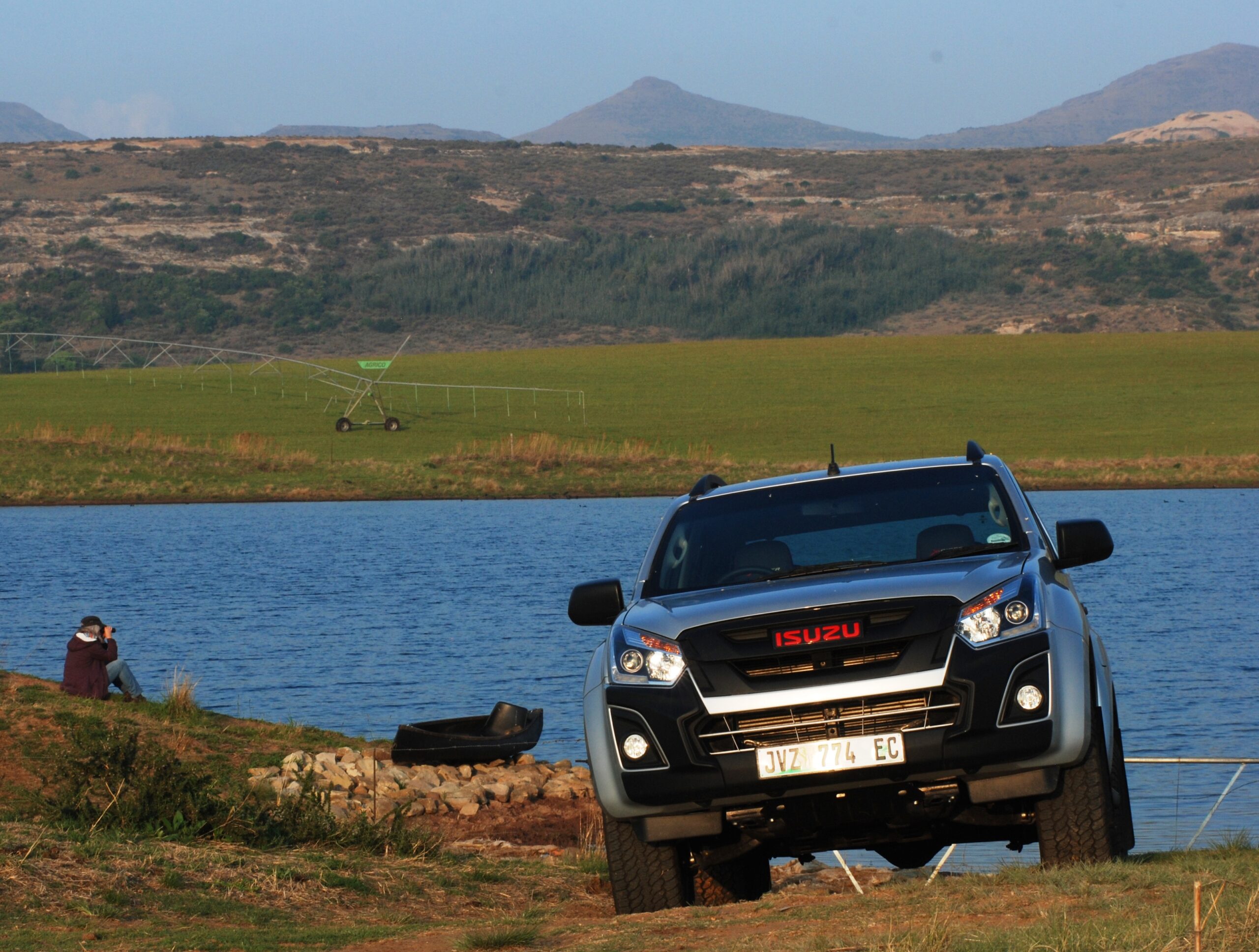
The 3.0 liter is not just at home on the tar road, but hitting the back roads of the Eastern Free State you realize that this vehicle’s suspension can handle anything and that the handling and control on the gravel roads is very good. This stays one of my favourite testing areas as you can combine tar, gravel and 4×4 in one trip.
Engaging 4 wheel drive is done smoothly with the turn dial and the driving experience was pure pleasure and being able to swift between 2WD High, 4WD High through the shift on the fly system makes the transition from tar onto gravel roads easy without you as driver loosing time by stopping to select a driving mode. The cab also features less road and wind noise and having luxuries such as cruise control and a reverse camera makes driving a pleasure.
One of the coolest safety features for me was the fact that you cannot pair your phone via Bluetooth if you are not in park mode. This can also be headache for your kids, or a bonus for you since the kids cannot change the phone connected while the vehicle is moving should they think your music is old fashioned.
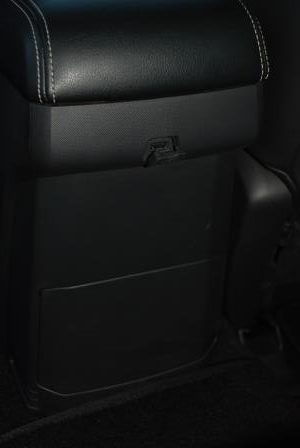
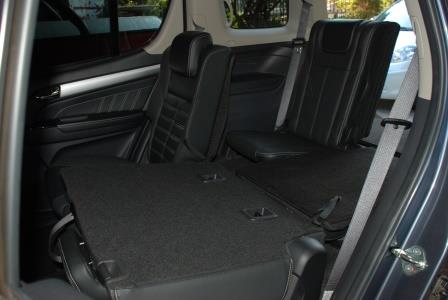
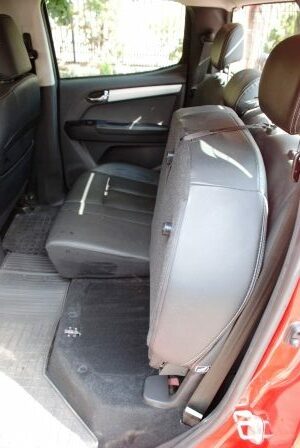
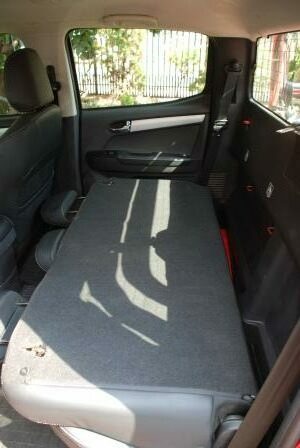
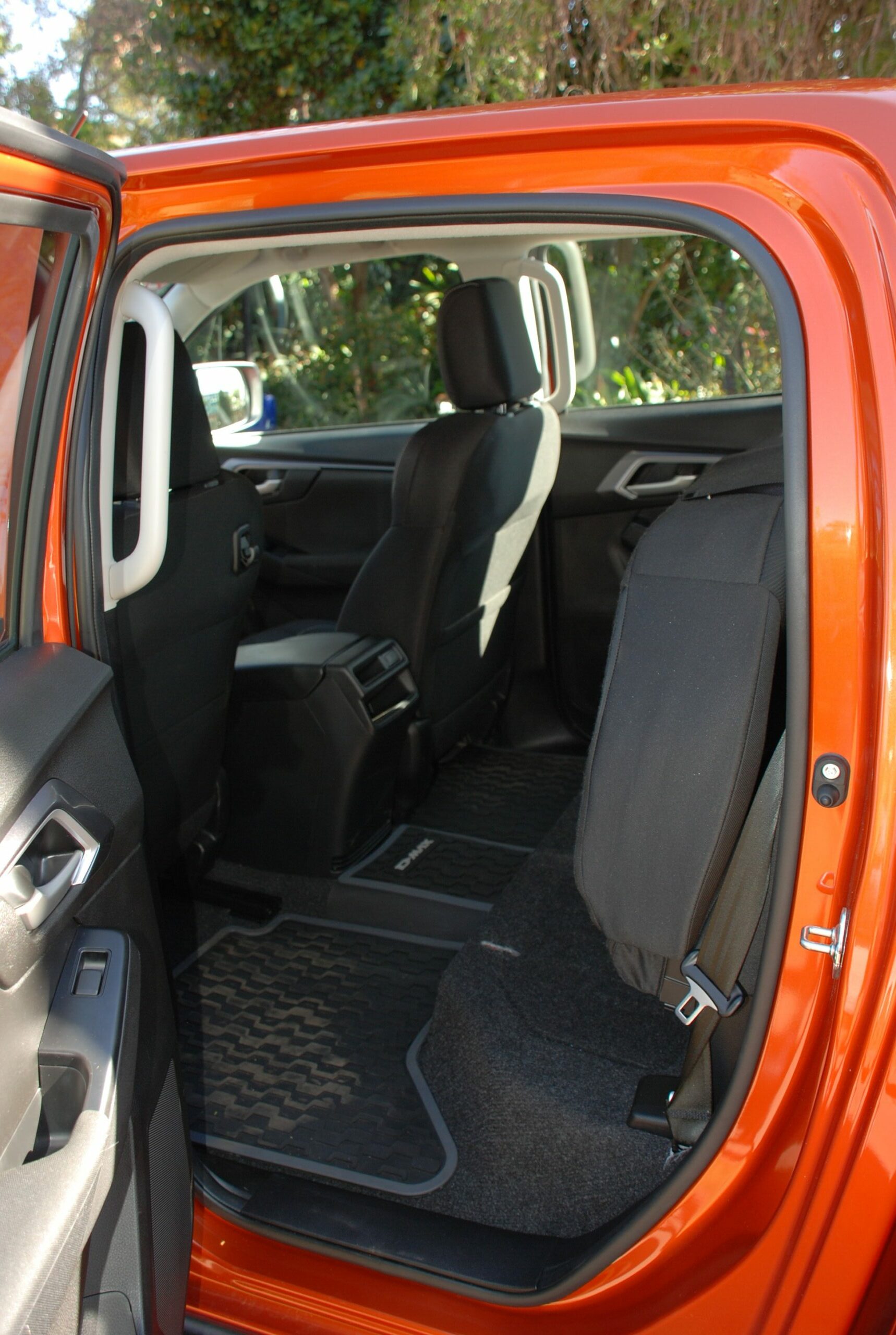
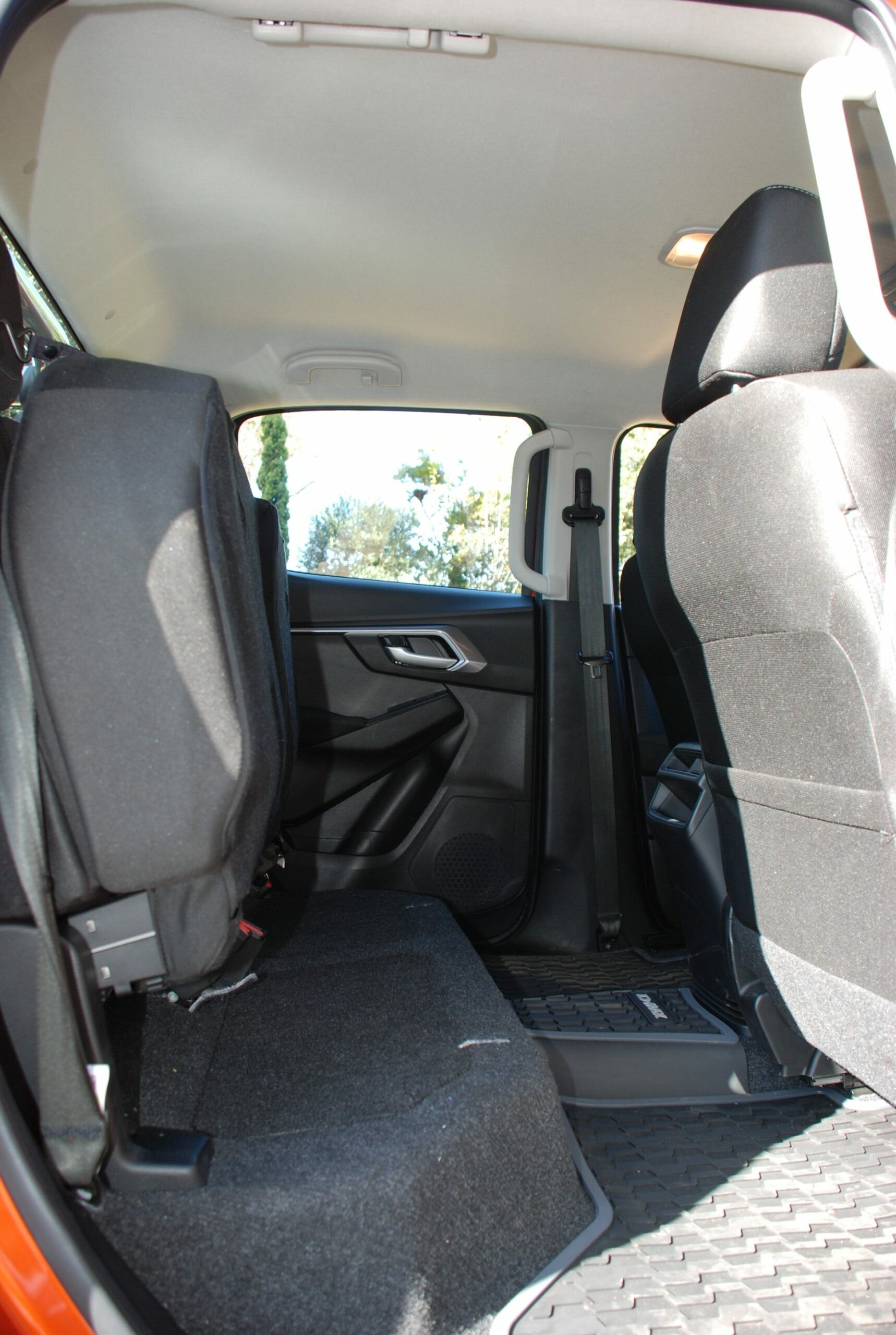
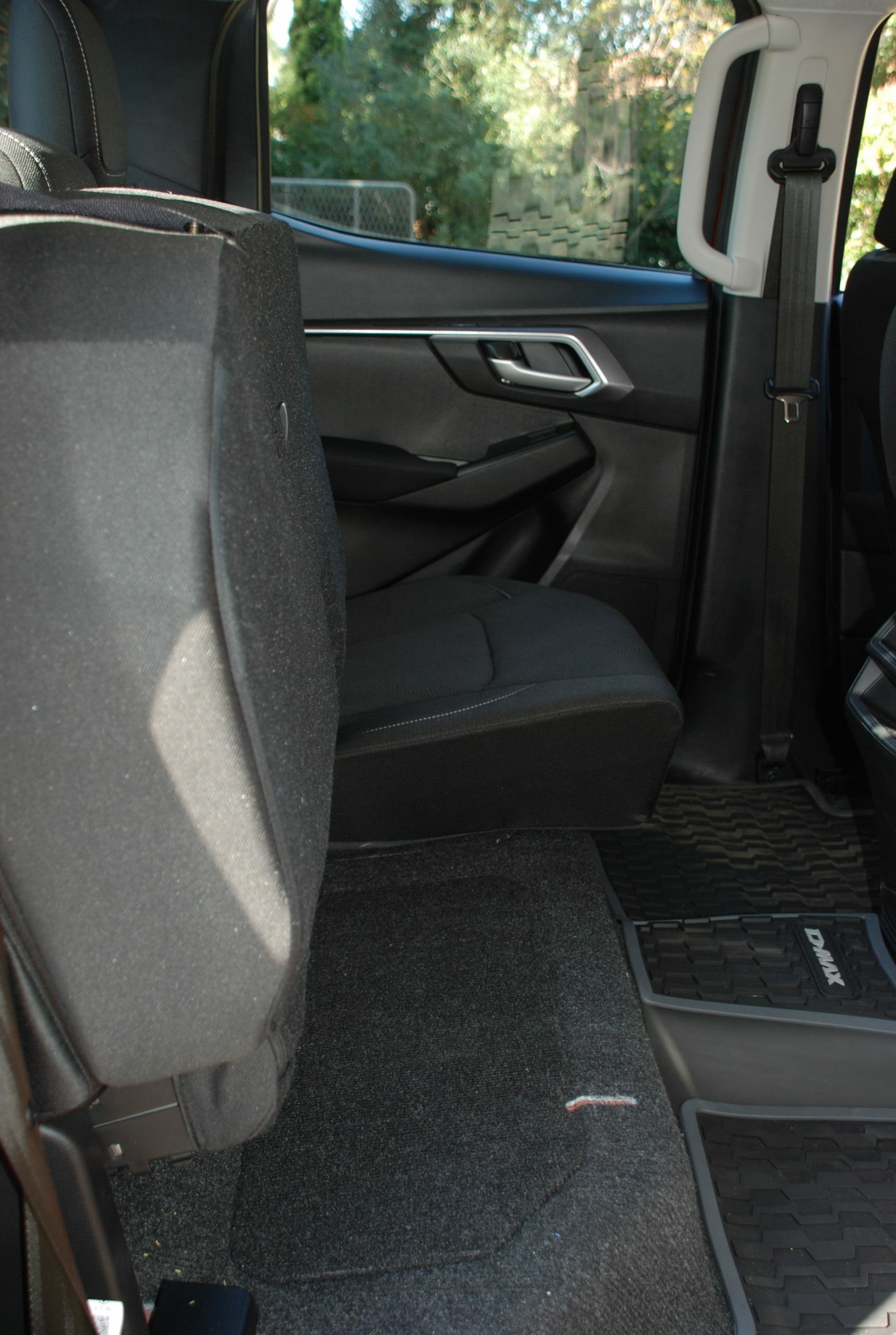
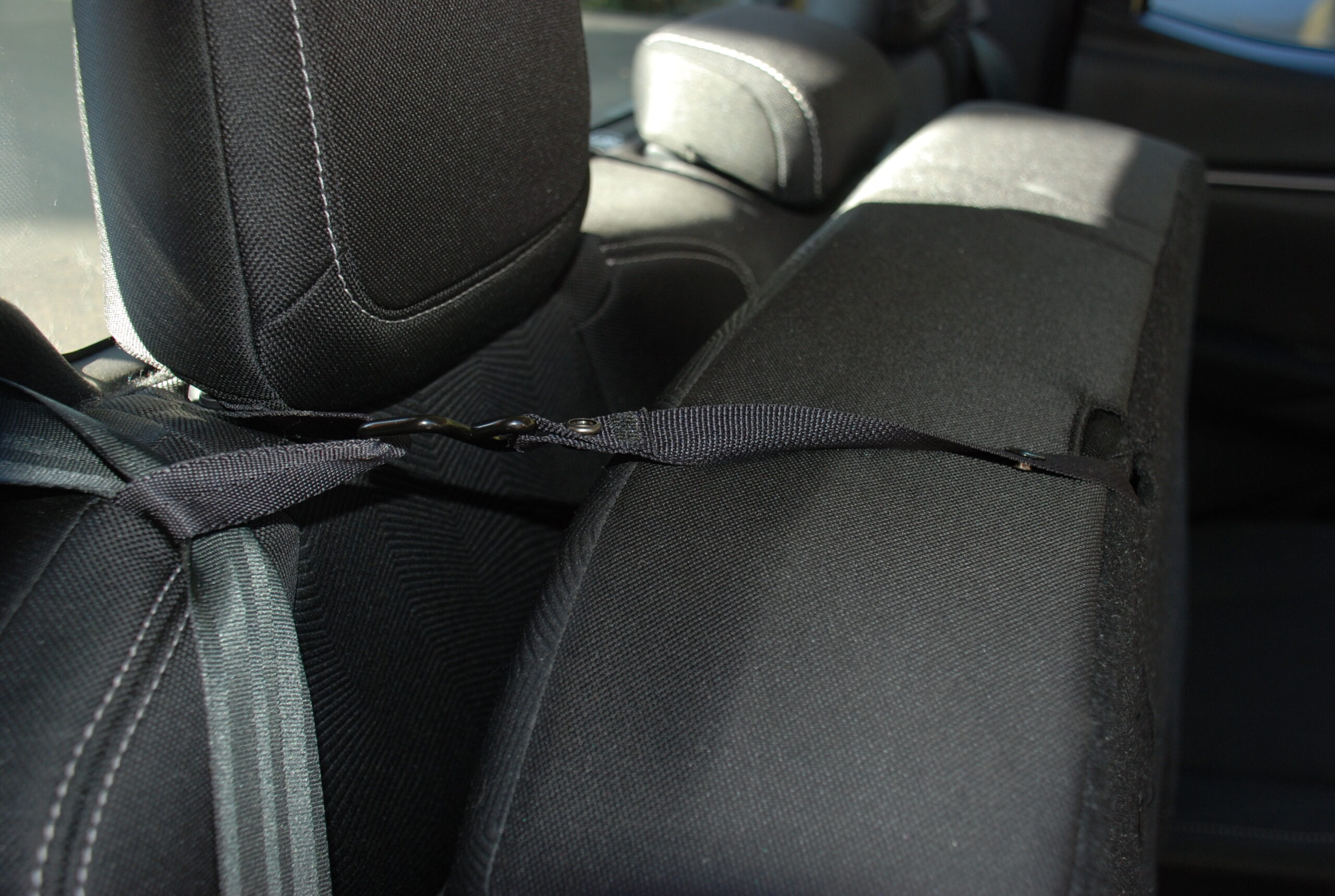
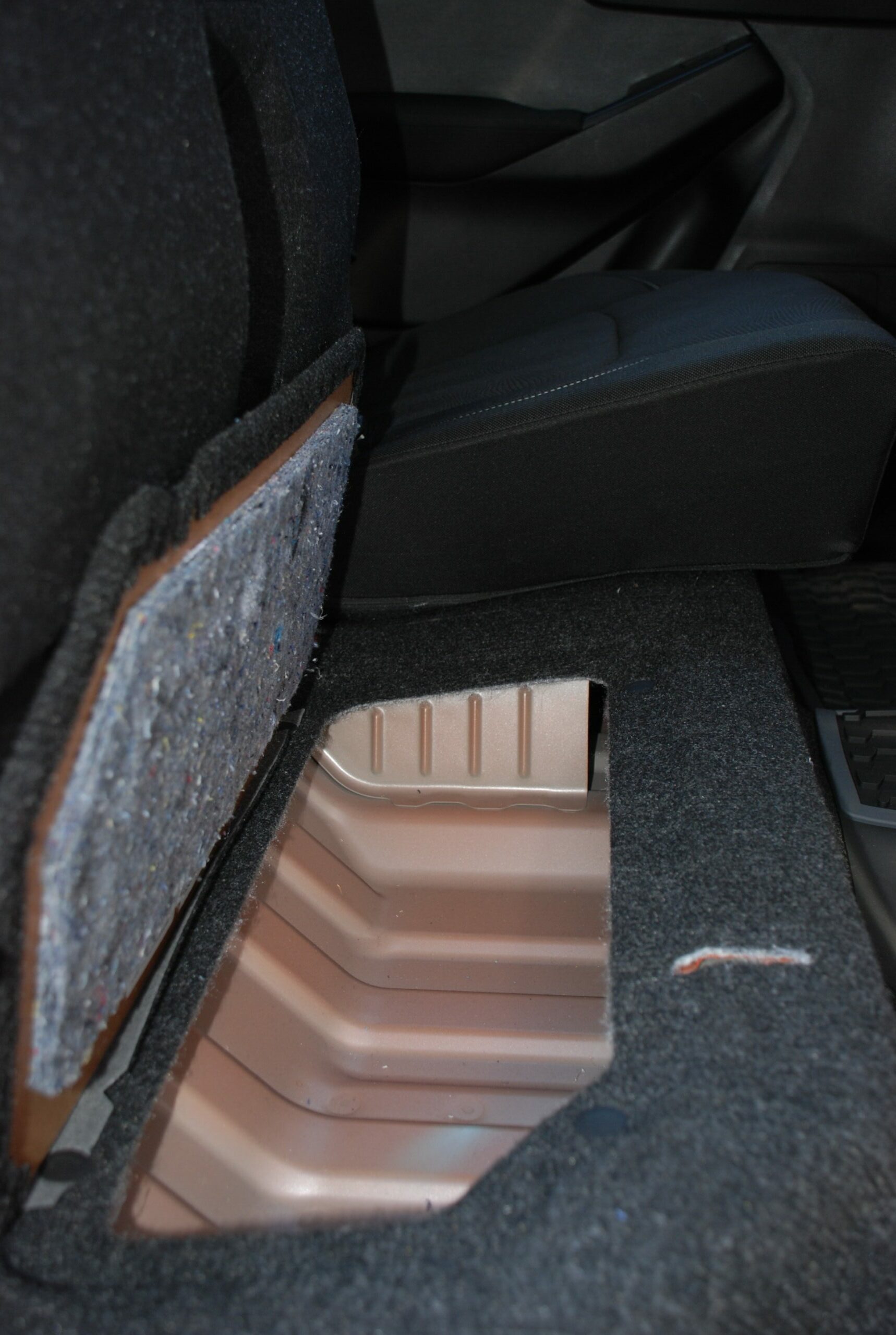
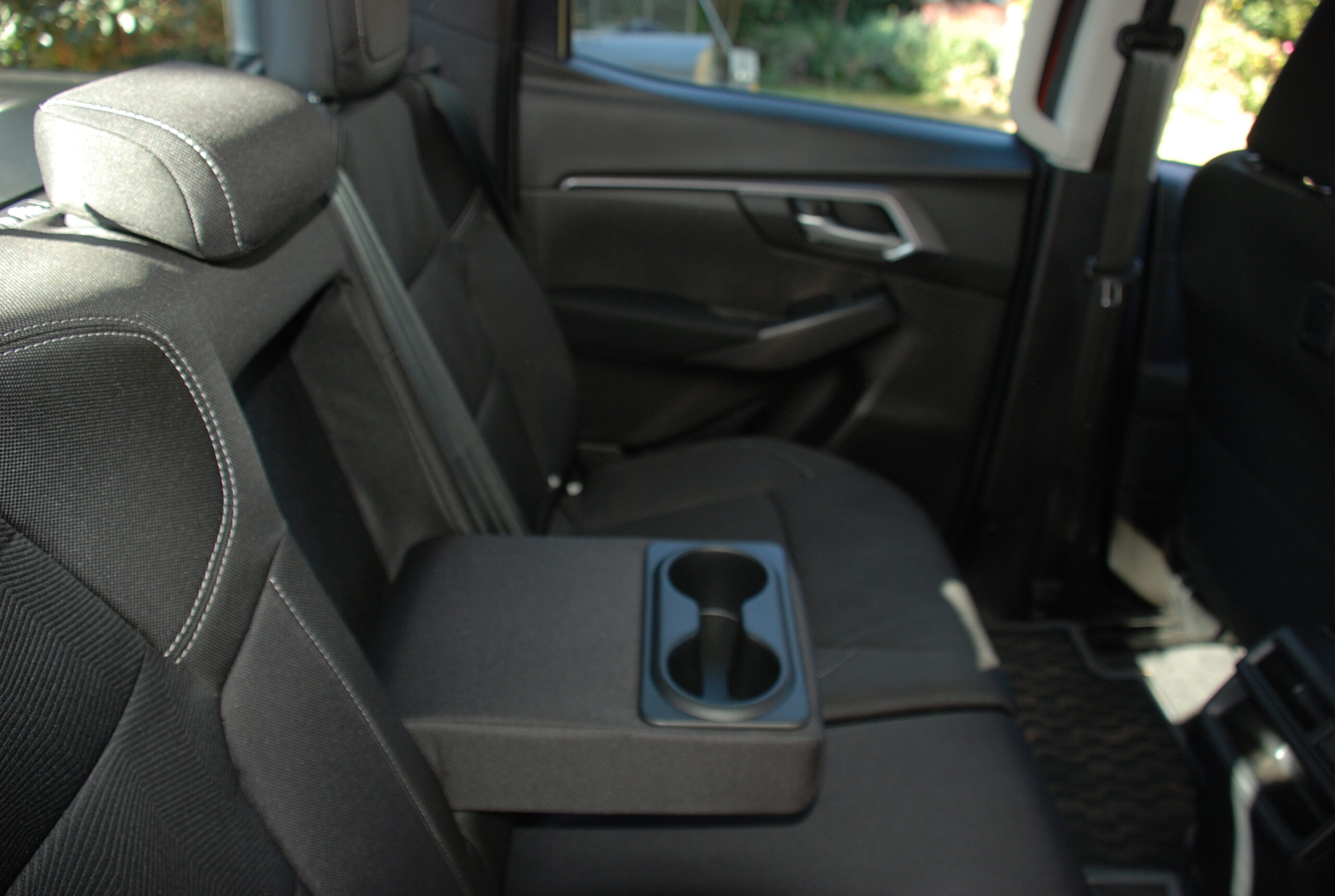
Another safety feature I like is Isuzu’s Brake Override System (BOS) whereby the system restricts accelerator input if the brake pedal is applied simultaneously, thereby reducing stopping distances in an emergency. The rear bench seat also fold up with a 60/40 split and the back rest can fold down….this gives you a lot of options when loading into the rear of the vehicle.
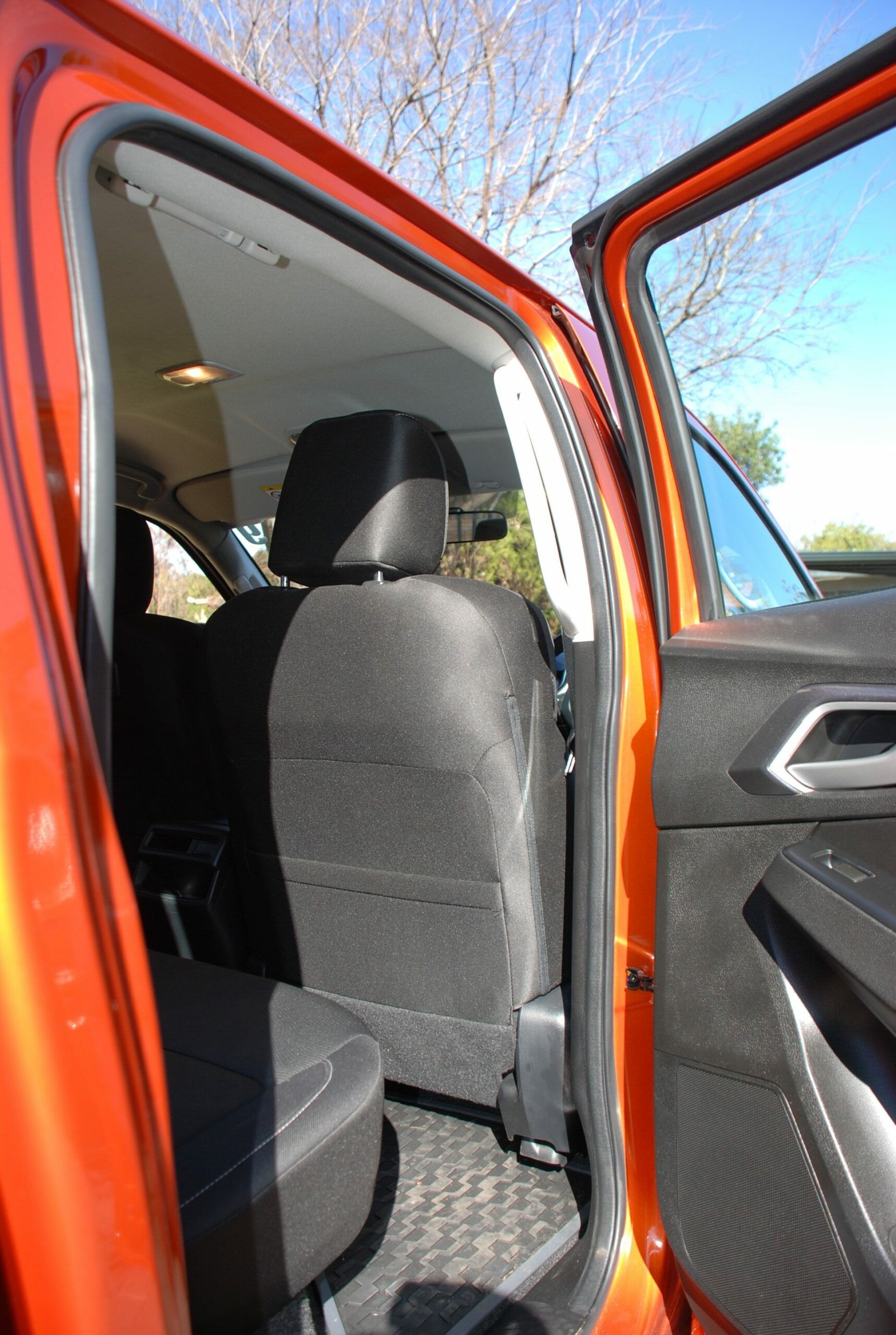
The only negative for me is the fact that all my passengers complaint about the seats being too hard and uncomfortable, while my driver seat was well cushioned….Passenger comfort is important so hopefully this is something that can be addressed with the next generation of D-MAX that will now be manufactured in South Africa.
The overall ride and handling, performance and fuel efficiency was good, but I also did struggle with the electronic fuel range gauge that at one stage went from 150km left to and immediate fuel refuel warning within 5 km of travelling…..then searching for the nearest fuel station can be a whole challenge on its own.
Isuzu has done a great job with the D-Max and we look forward to the new D-Max that will from now be built in South Africa (see the article under Motoring News).